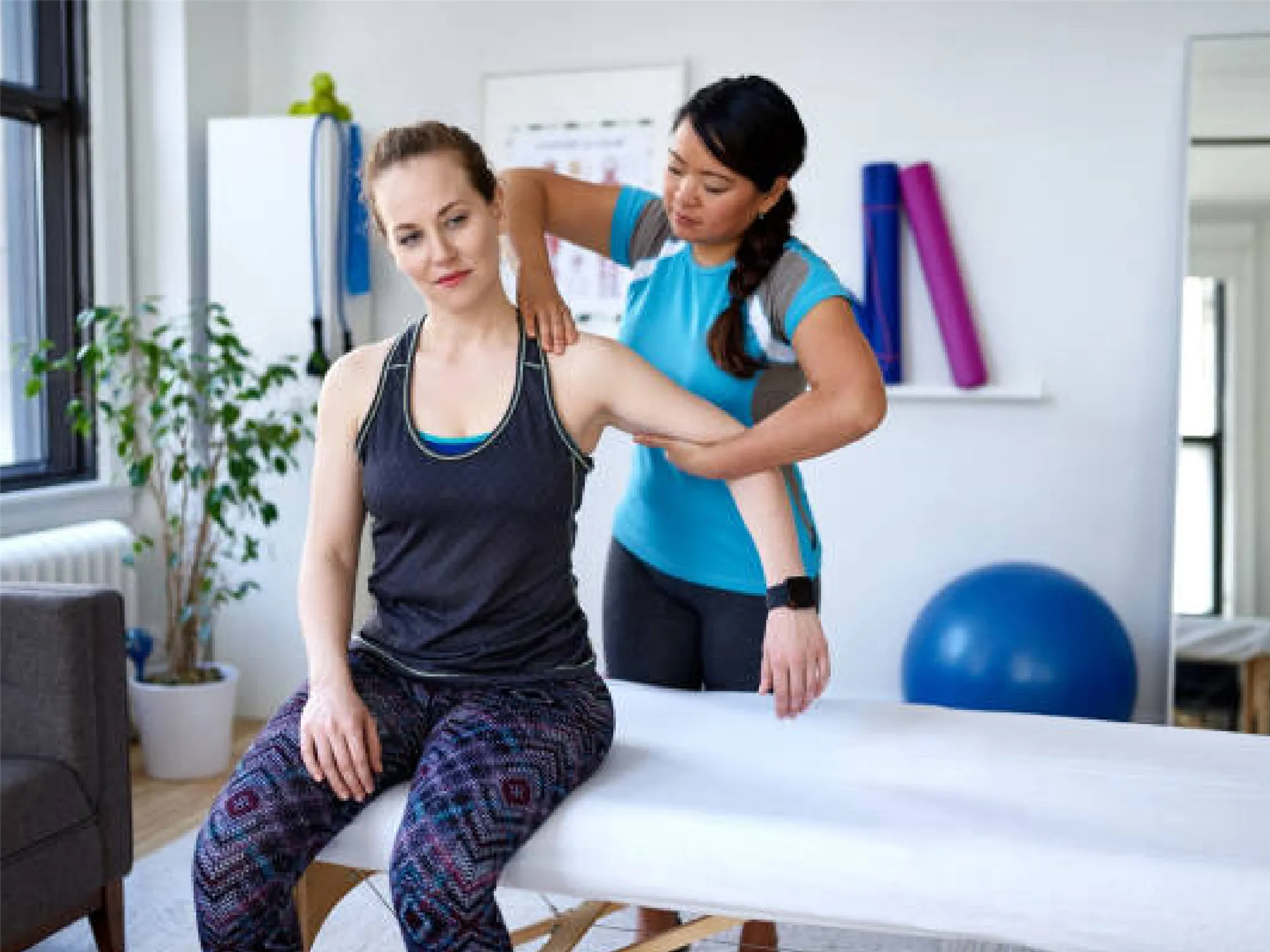
Women’s Health and Pelvic Floor Therapy

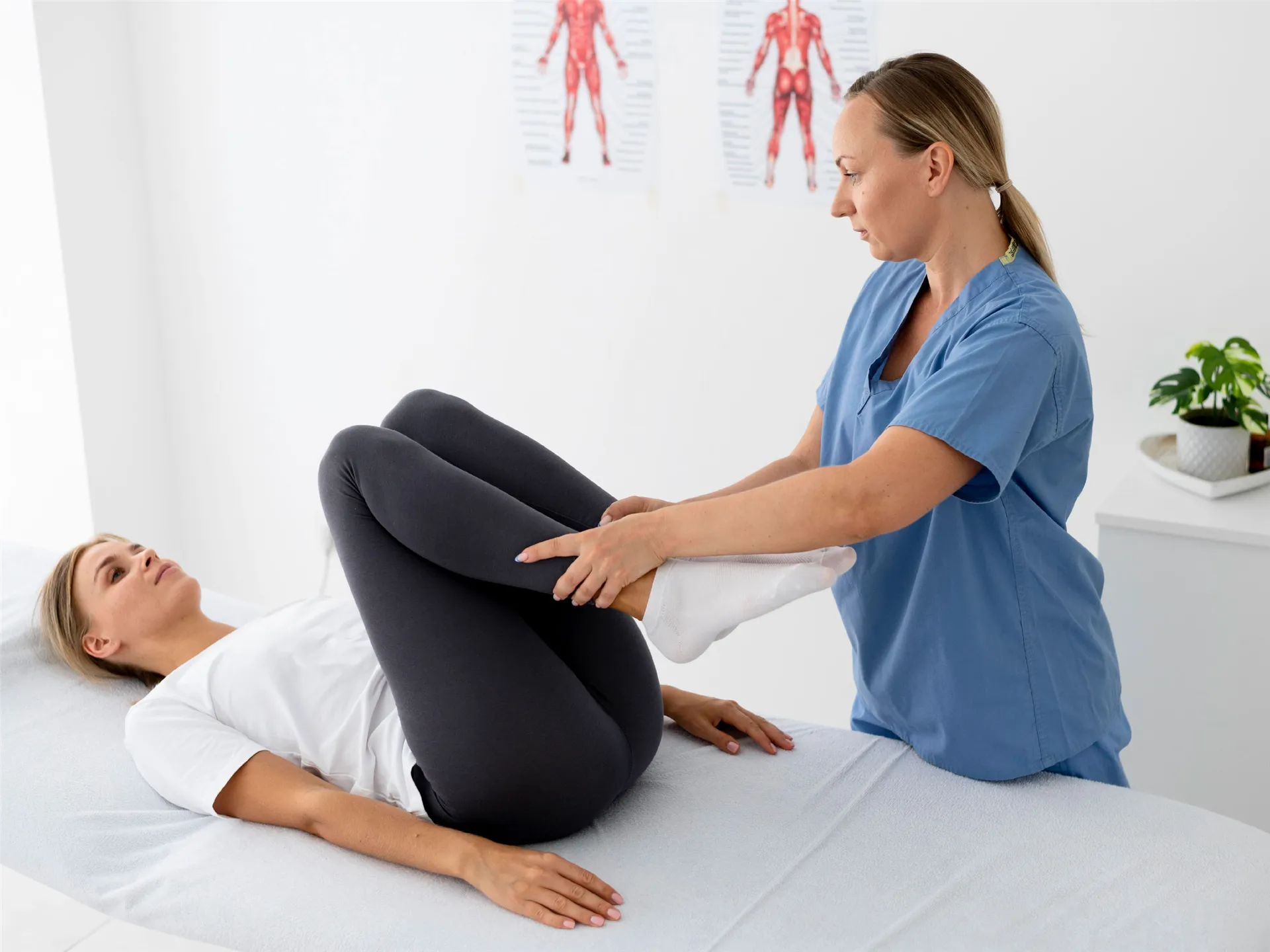
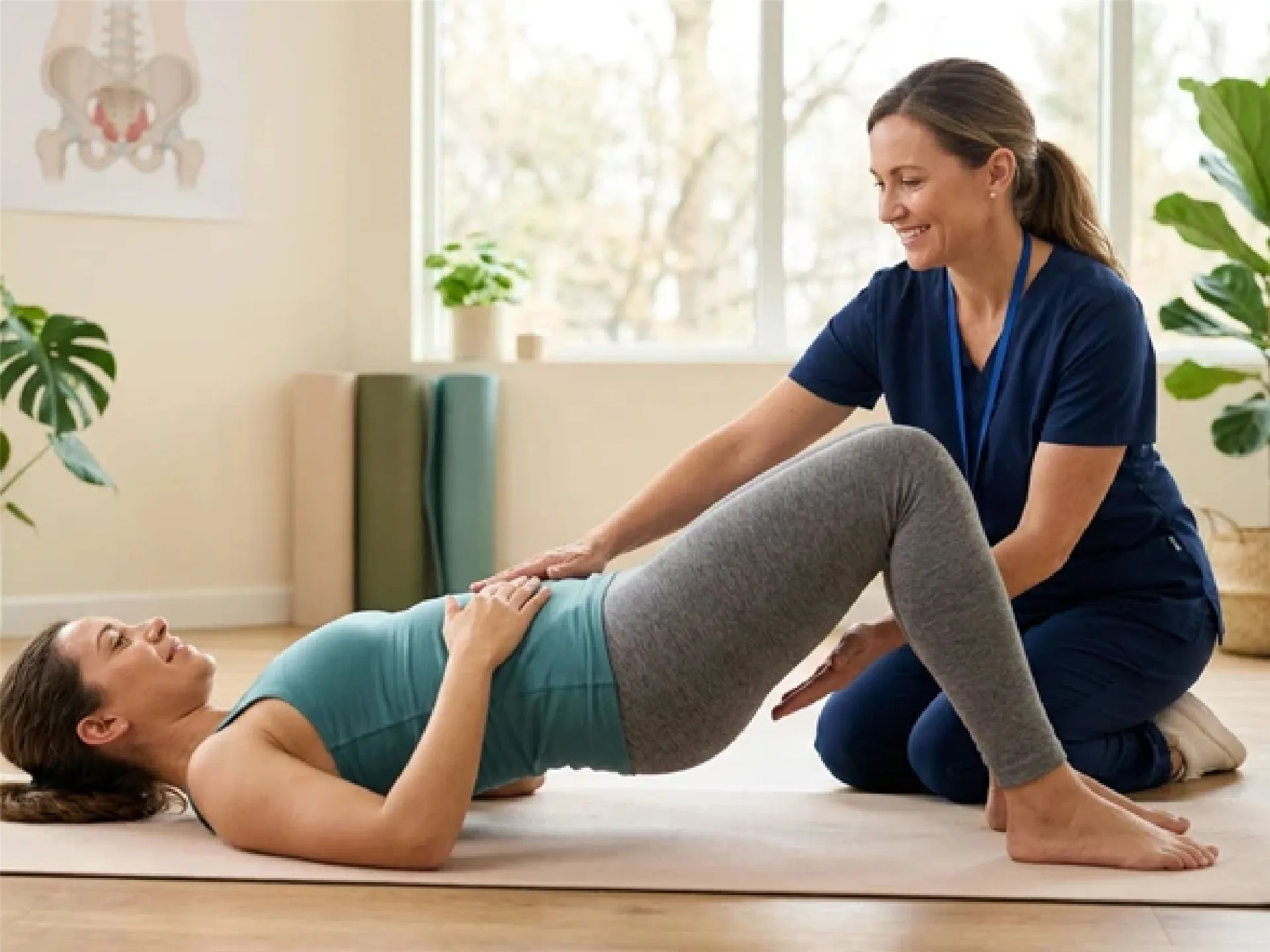
Women’s Health and Pelvic Floor Therapy
Women’s health physiotherapy is a specialized rehabilitation field that includes the assessment and treatment of the pelvic floor muscles, abdominal wall, lower back–hip region, and deep muscle system. The pelvic floor muscles support the bladder, uterus, and intestines, and play an important role in urinary and gas control as well as sexual function.
Pregnancy, childbirth, hormonal changes, surgical procedures, chronic constipation, heavy lifting, and incorrect exercise habits may lead to weakness or excessive tension in the pelvic floor muscles. This condition may present with various functional problems.
Pelvic floor rehabilitation aims to restore proper muscle function and achieve functional balance.
What Are Pelvic Floor Problems?
Pelvic floor dysfunctions may present with various symptoms:
- Urinary incontinence
- Frequent urination
- Sudden urge to urinate
- Gas incontinence
- Pelvic pain
- Postpartum recovery issues
- Uterine or bladder prolapse
- Pain during sexual intercourse
- Abdominal wall weakness
- Diastasis recti (separation of abdominal muscles)
These conditions are not permanent; with proper rehabilitation, significant improvement can be achieved.
Who Benefits from Pelvic Floor Rehabilitation?
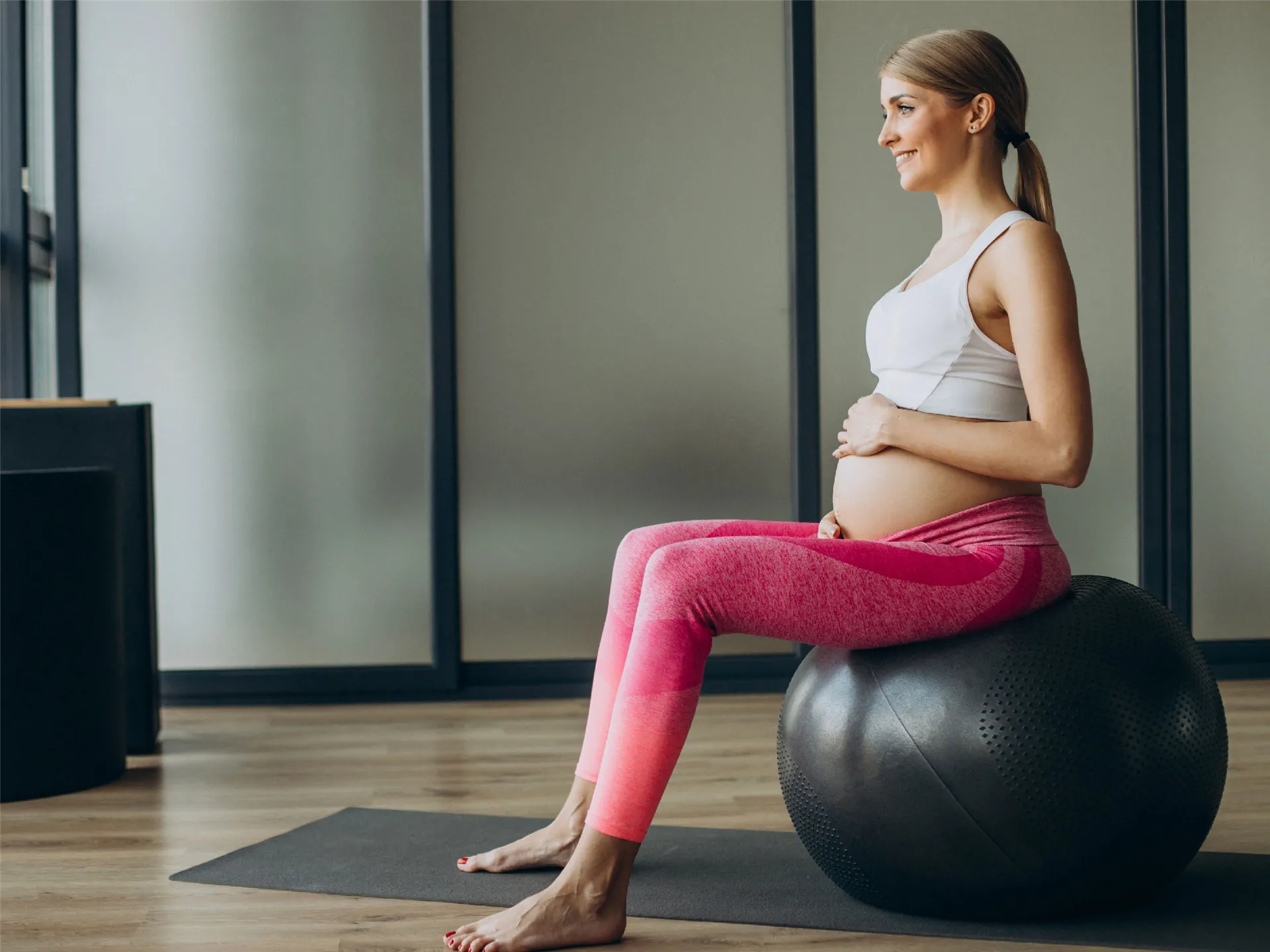
- Women during pregnancy
- Women in the postpartum recovery period
- Individuals recovering after cesarean section
- Women with reduced muscle control after vaginal birth
- Women in menopause
- Individuals with urinary incontinence
- Individuals with pelvic pain
- Individuals with diastasis recti
- Patients after gynecological surgery
Assessment Process
Treatment begins with a comprehensive physiotherapy assessment:
- Pelvic floor muscle awareness evaluation
- Breathing pattern analysis
- Abdominal–lumbar–hip muscle balance assessment
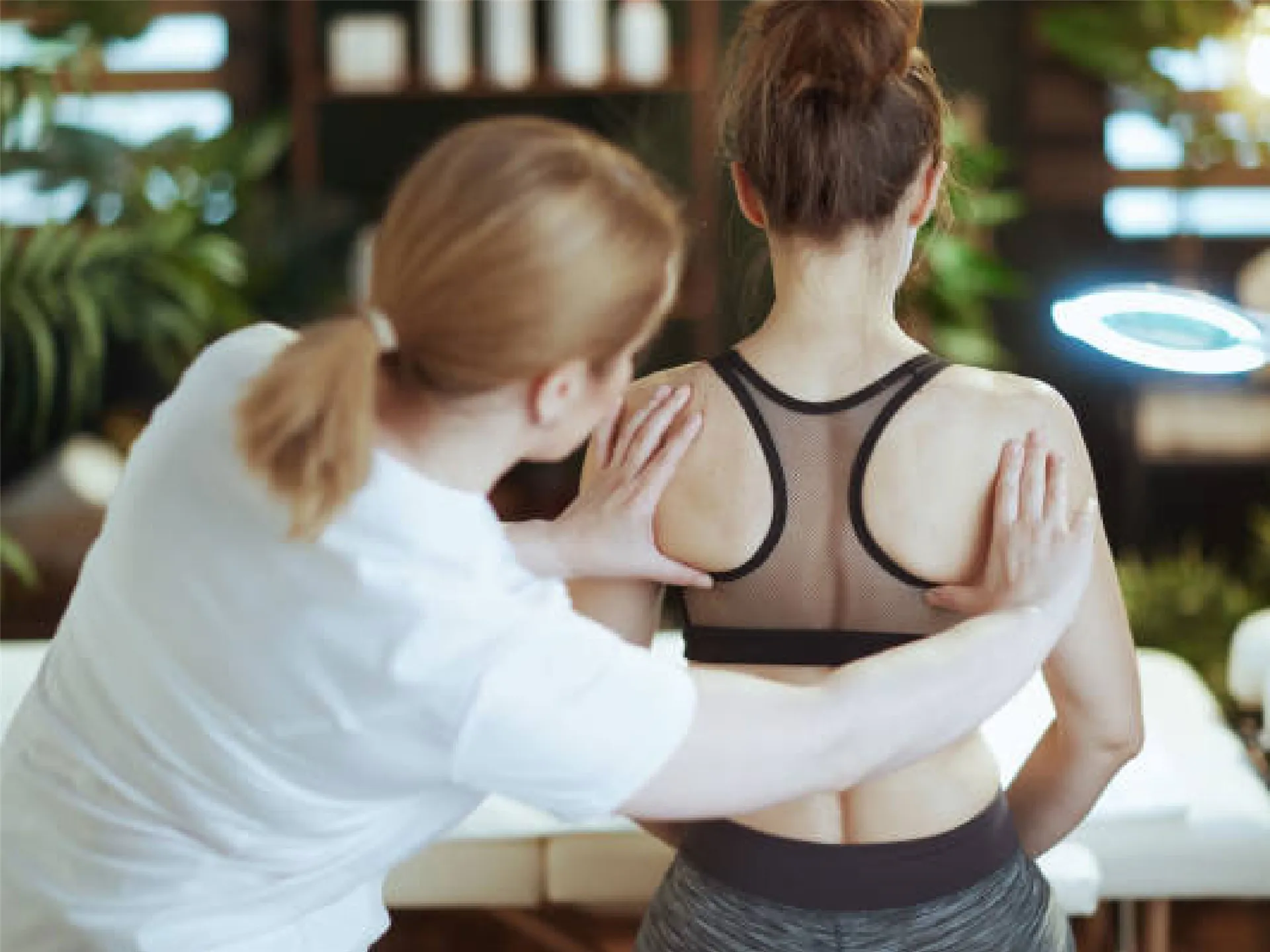
- Posture and movement analysis
- Evaluation of daily living habits
A personalized treatment program is created for each patient.
Methods Used in Pelvic Floor Rehabilitation
Treatment is tailored according to individual needs:
- Pelvic floor muscle training
- Correct muscle activation exercises
- Diaphragmatic breathing training
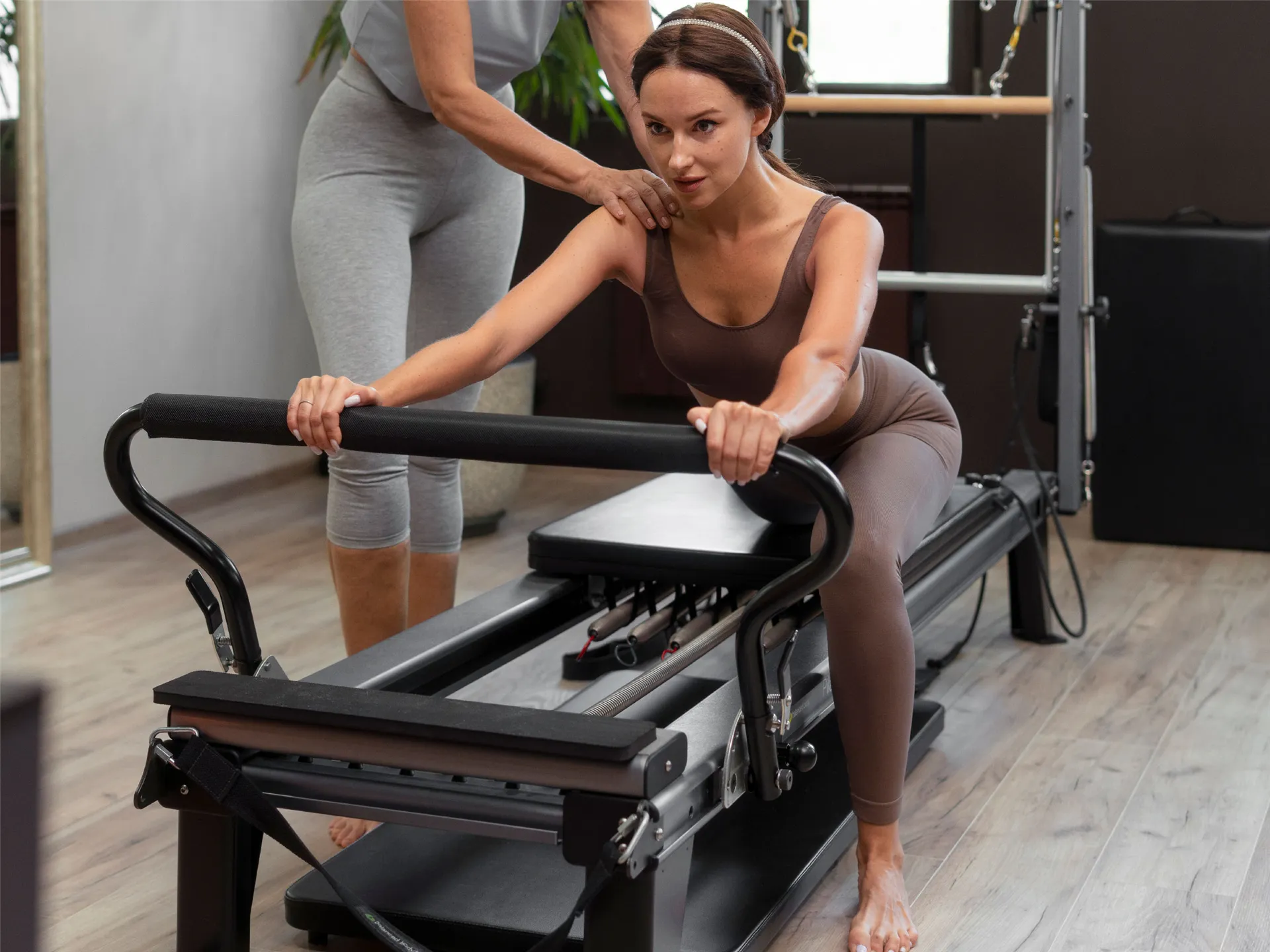
- Clinical Pilates-based exercises
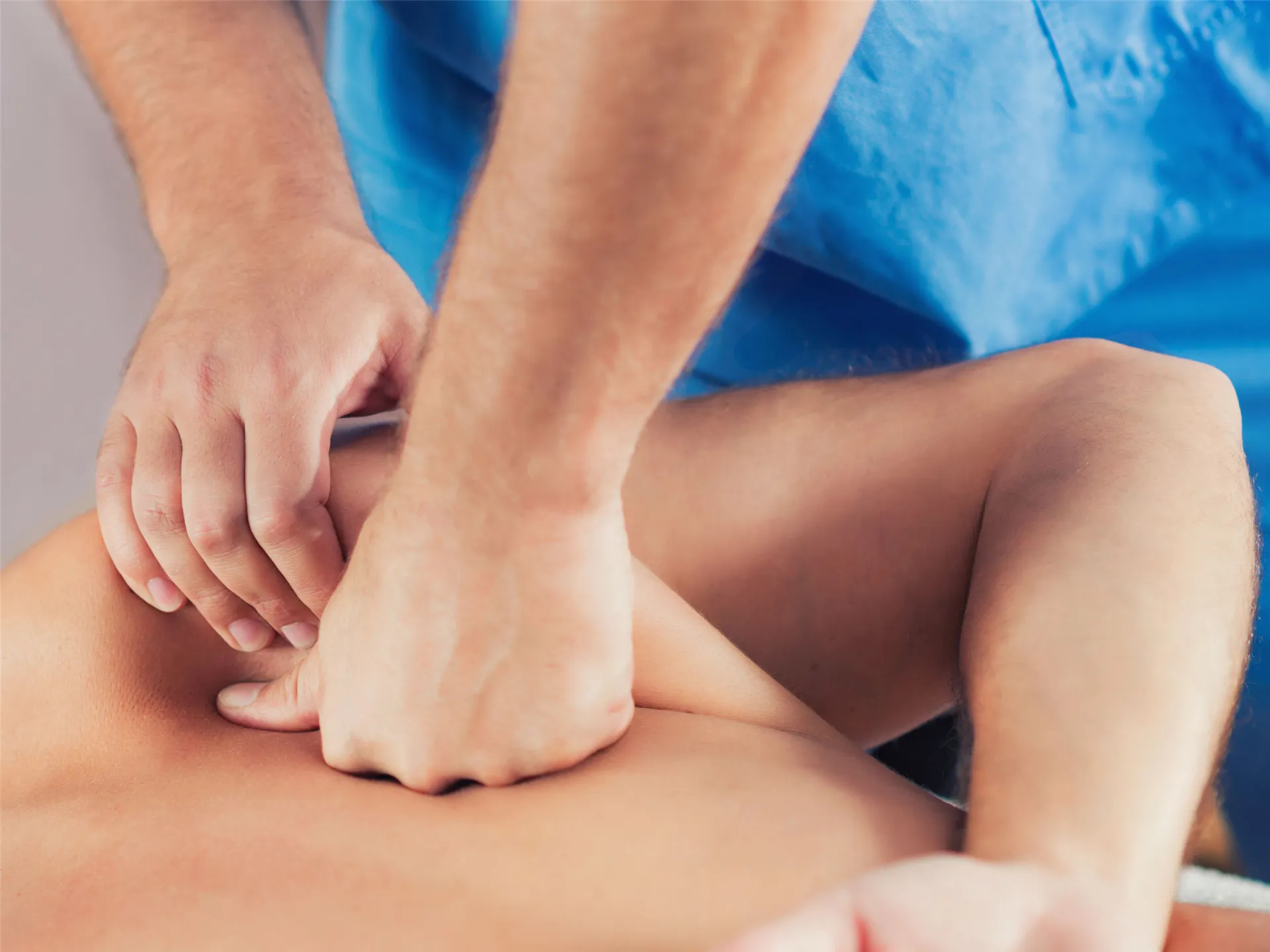
- Manual therapy techniques
- Abdominal wall strengthening exercises
- Core and postural stabilization exercises
- Home exercise programs
The goal is not only strengthening muscles but ensuring the correct muscle is activated at the right time.
Benefits of Treatment
- Reduces or eliminates urinary incontinence
- Reduces pelvic pain
- Speeds up postpartum recovery
- Improves abdominal control
- Enhances core stability
- Improves daily life comfort
- Supports safe return to exercise