Sports Injuries Rehabilitation

Sports Injuries Rehabilitation
Sports injuries occur as a result of strain or damage to muscles, tendons, ligaments, and joint structures. Improper loading, insufficient warm-up, incorrect technique, overuse, and trauma are among the most common causes of sports injuries.
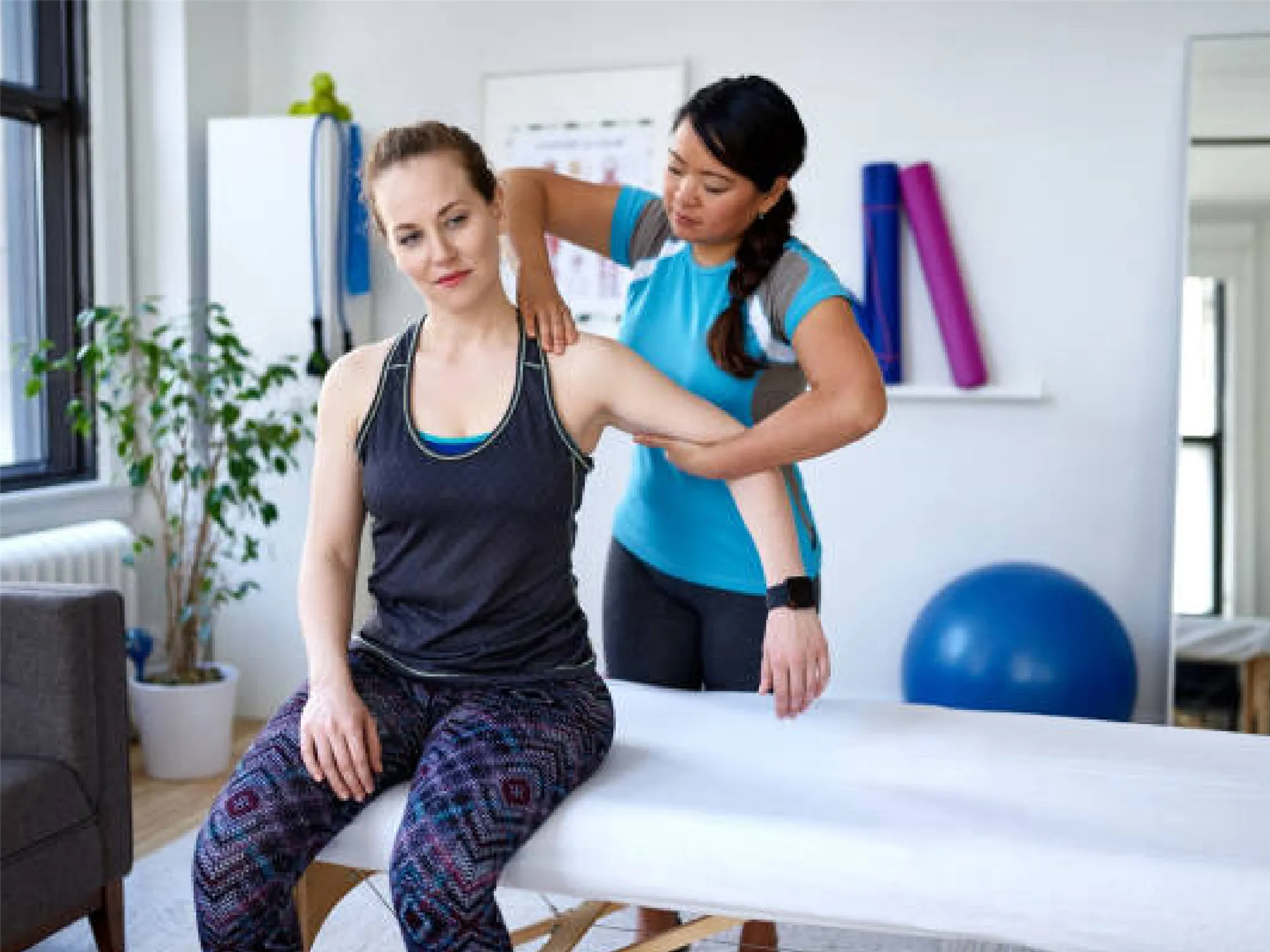
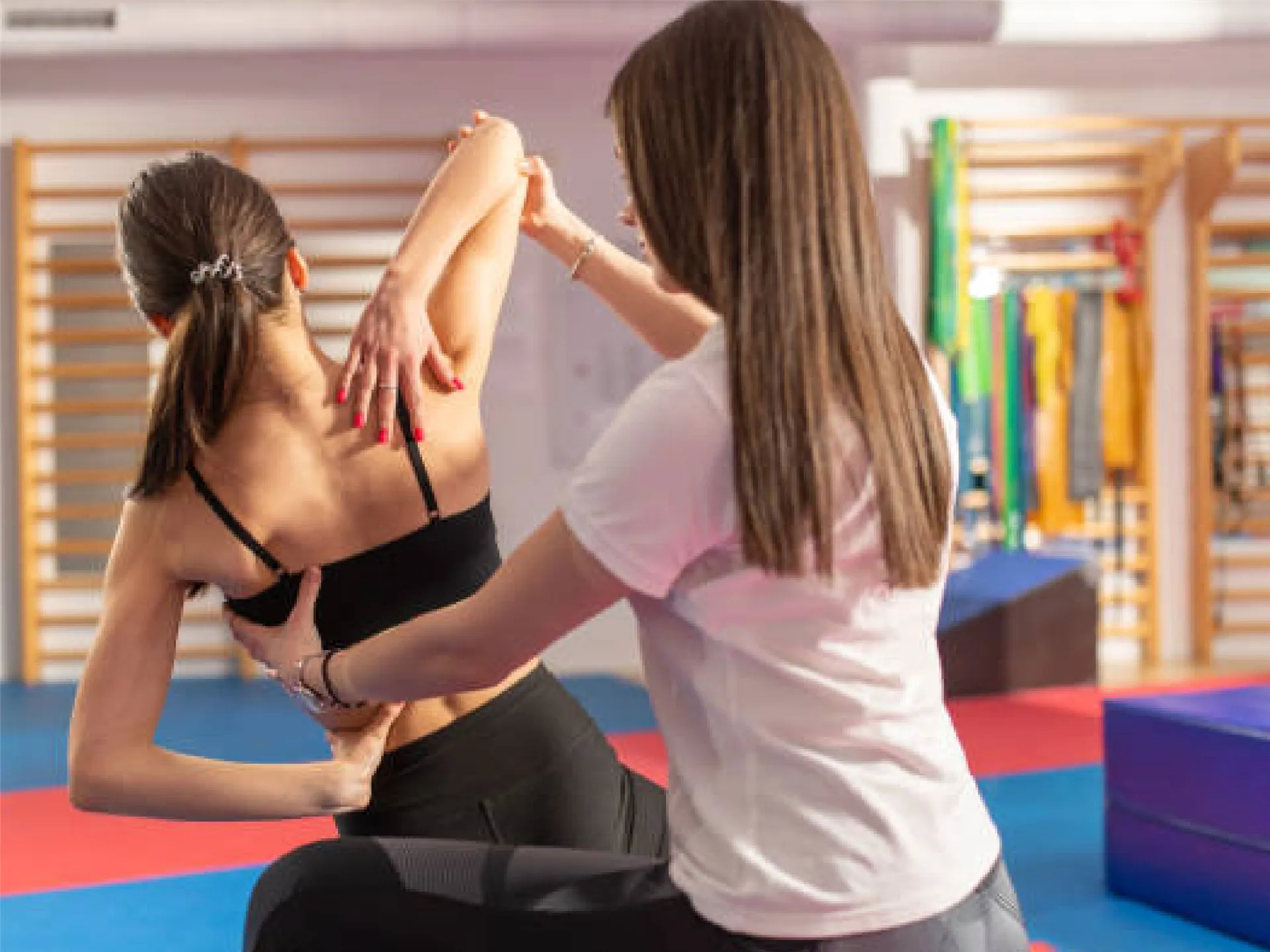
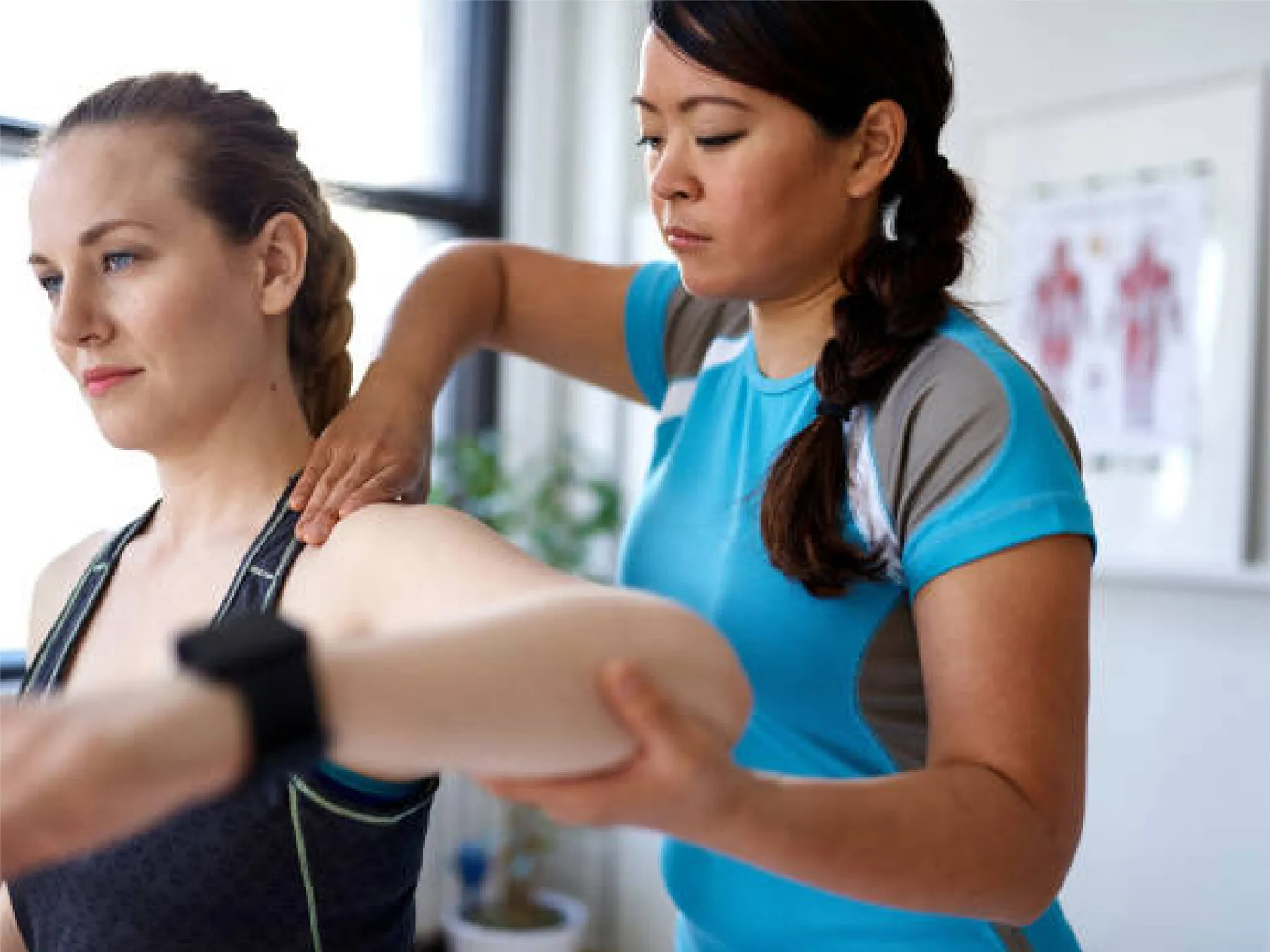
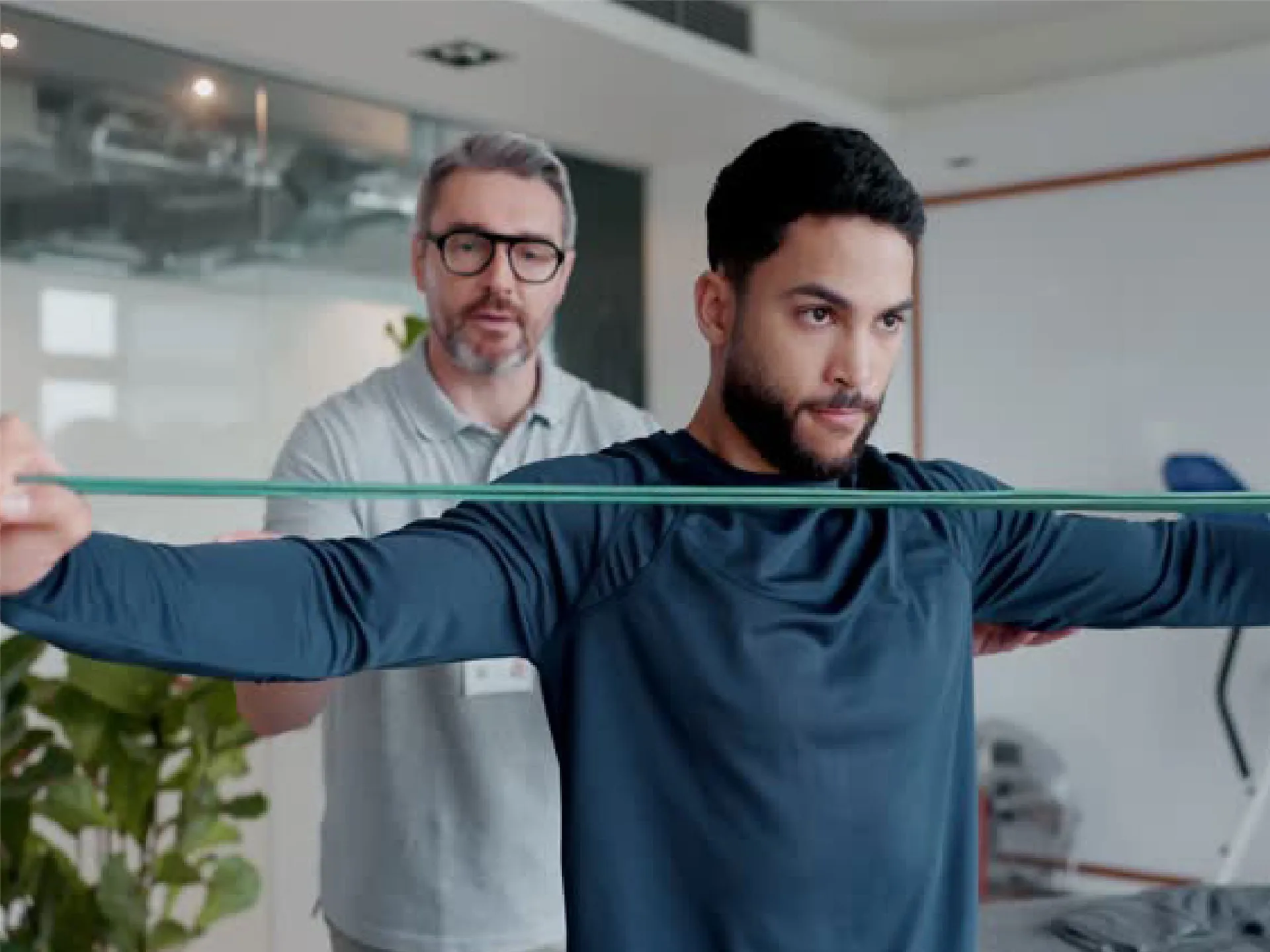
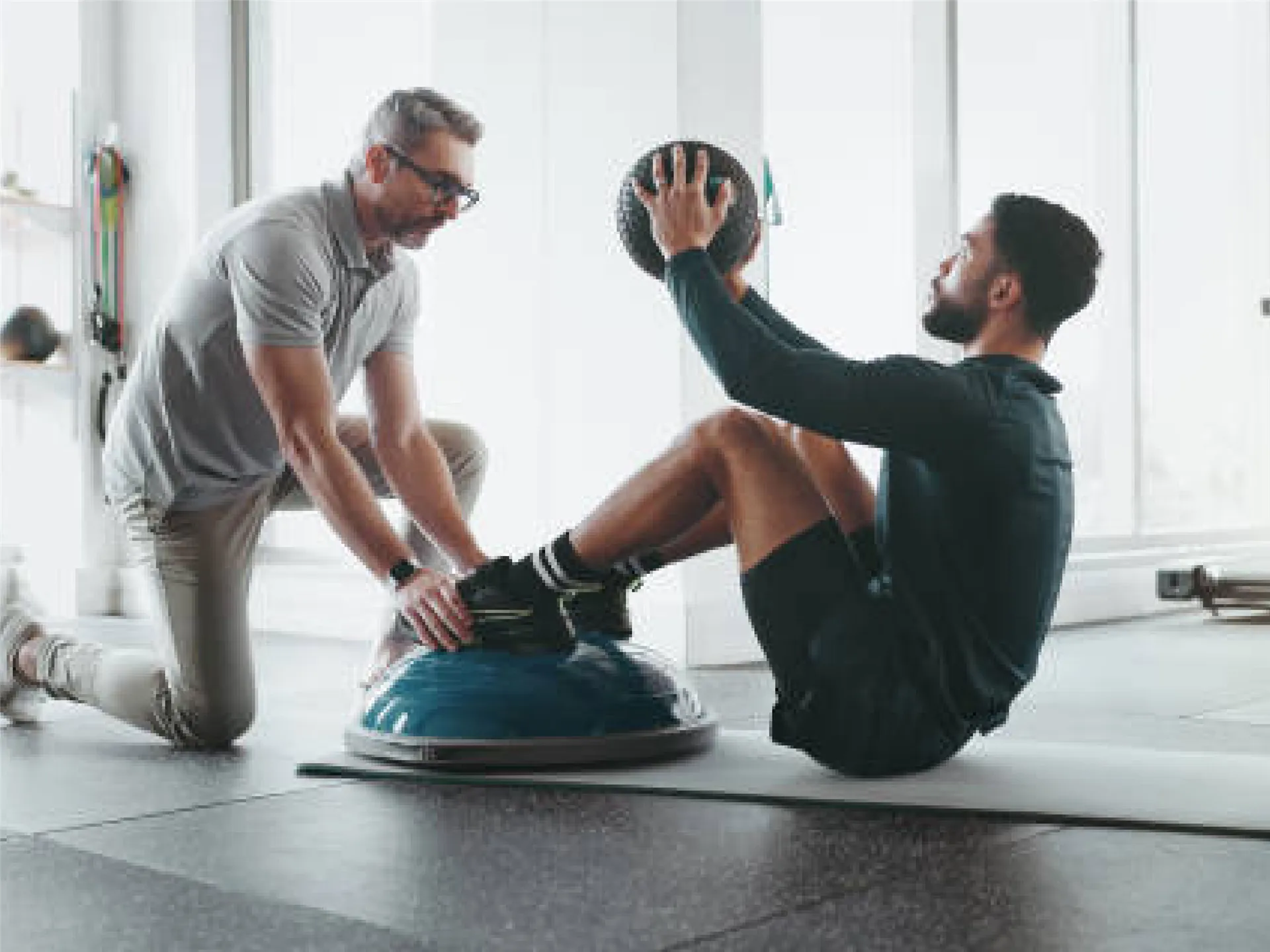
The main goal of sports rehabilitation is not only to reduce pain but to return the athlete to activity safely, progressively, and in a stronger condition. This process is carried out through a staged and individualized program planned by a specialist physiotherapist.
Most Common Sports Injuries
- Muscle strains and tears
- Ligament injuries (sprains and strains)
- Knee injuries (meniscus, ACL injuries, etc.)
- Shoulder impingement and instability problems
- Tendinitis and tendinopathies
- Achilles tendon problems
- Plantar fasciitis
- Runner’s knee
- Elbow problems (tennis elbow and golfer’s elbow)
- Post-exercise lower back and neck pain
Assessment in Sports Rehabilitation
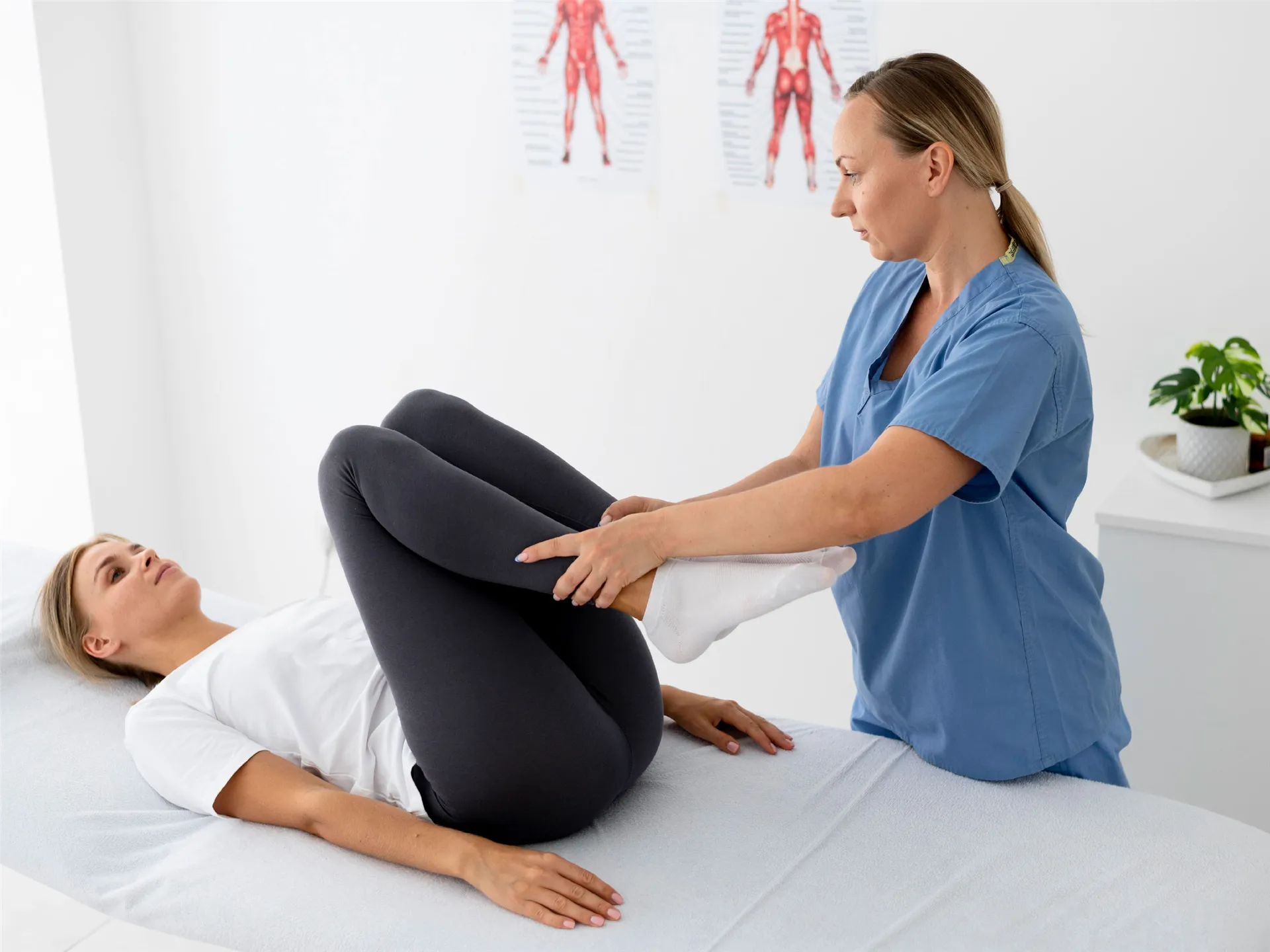
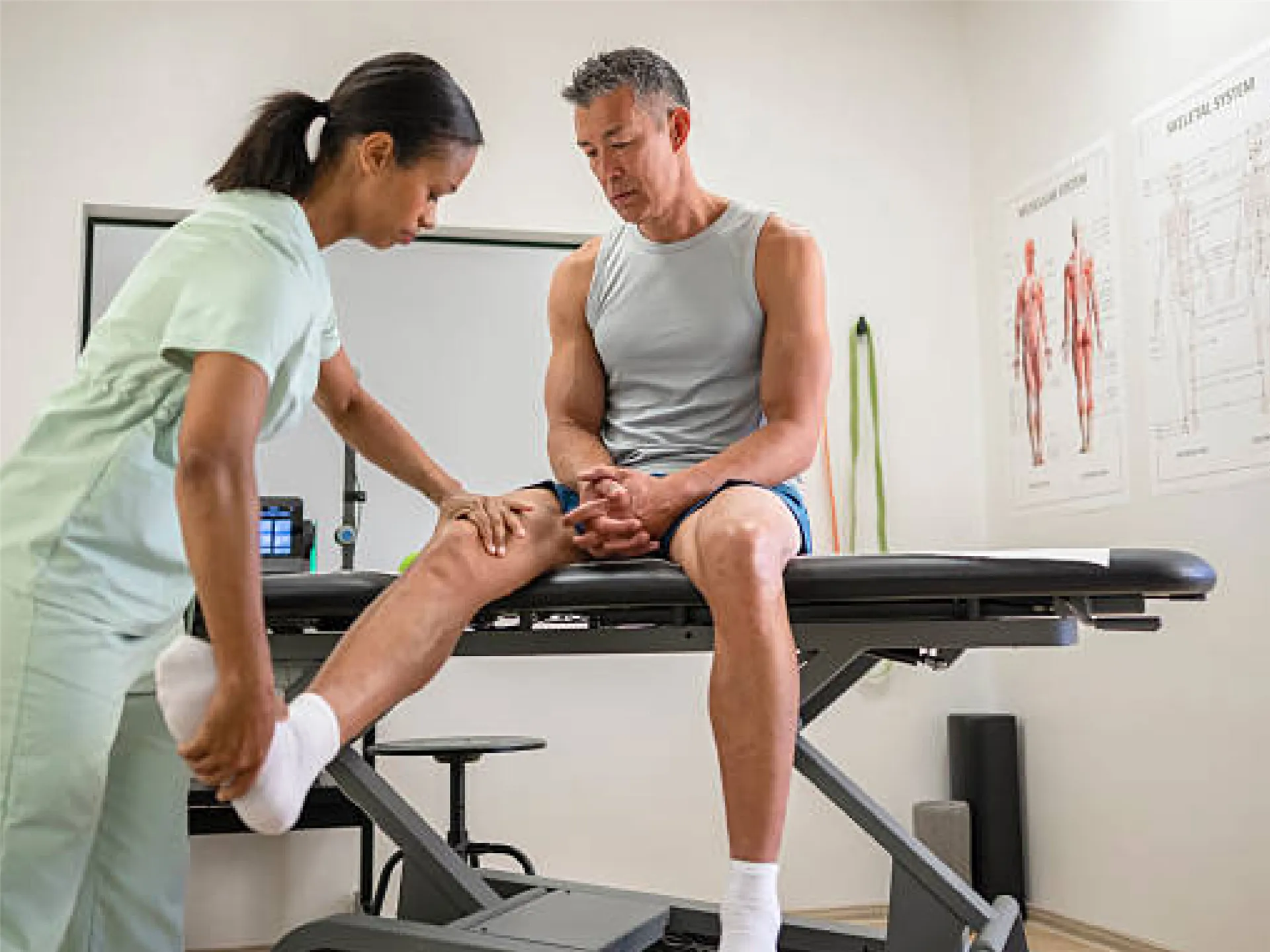
Every athlete and every injury is different. Therefore, a detailed assessment is performed before treatment:
- Analysis of injury mechanism
- Joint range of motion measurement
- Muscle strength and flexibility testing
- Balance and coordination analysis
- Sport-specific movement evaluation
- Determination of load tolerance
Based on this assessment, an individualized rehabilitation plan is created.
Treatment and Rehabilitation Process
The treatment process is planned according to the stage of injury:
Acute Phase
- Pain and swelling management
- Protective strategies
- Controlled mobilization
Recovery Phase
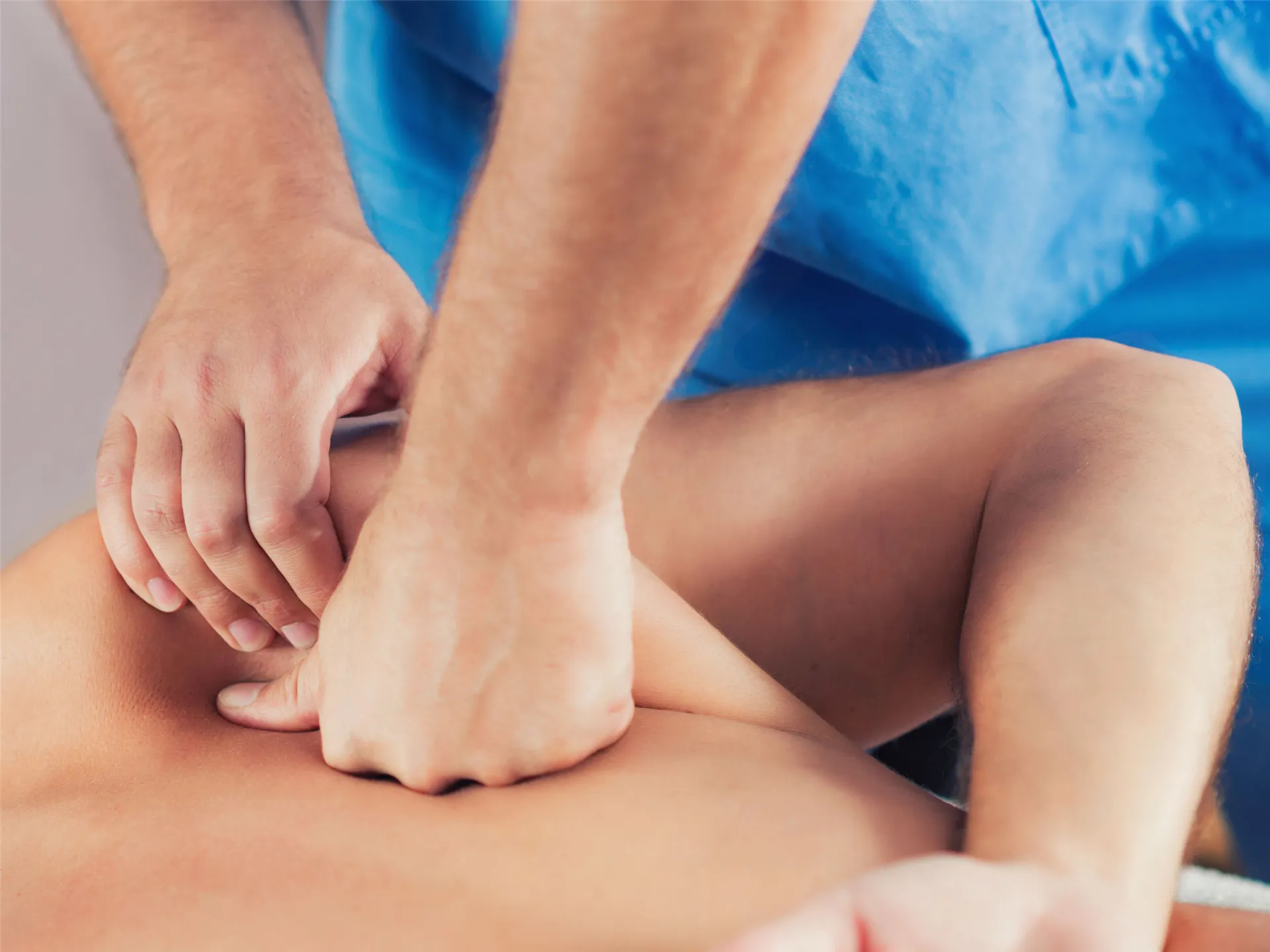
- Manual therapy techniques
- Soft tissue techniques
- Joint mobilization
- Controlled exercises
Functional Phase
- Strengthening exercises
- Balance and coordination training
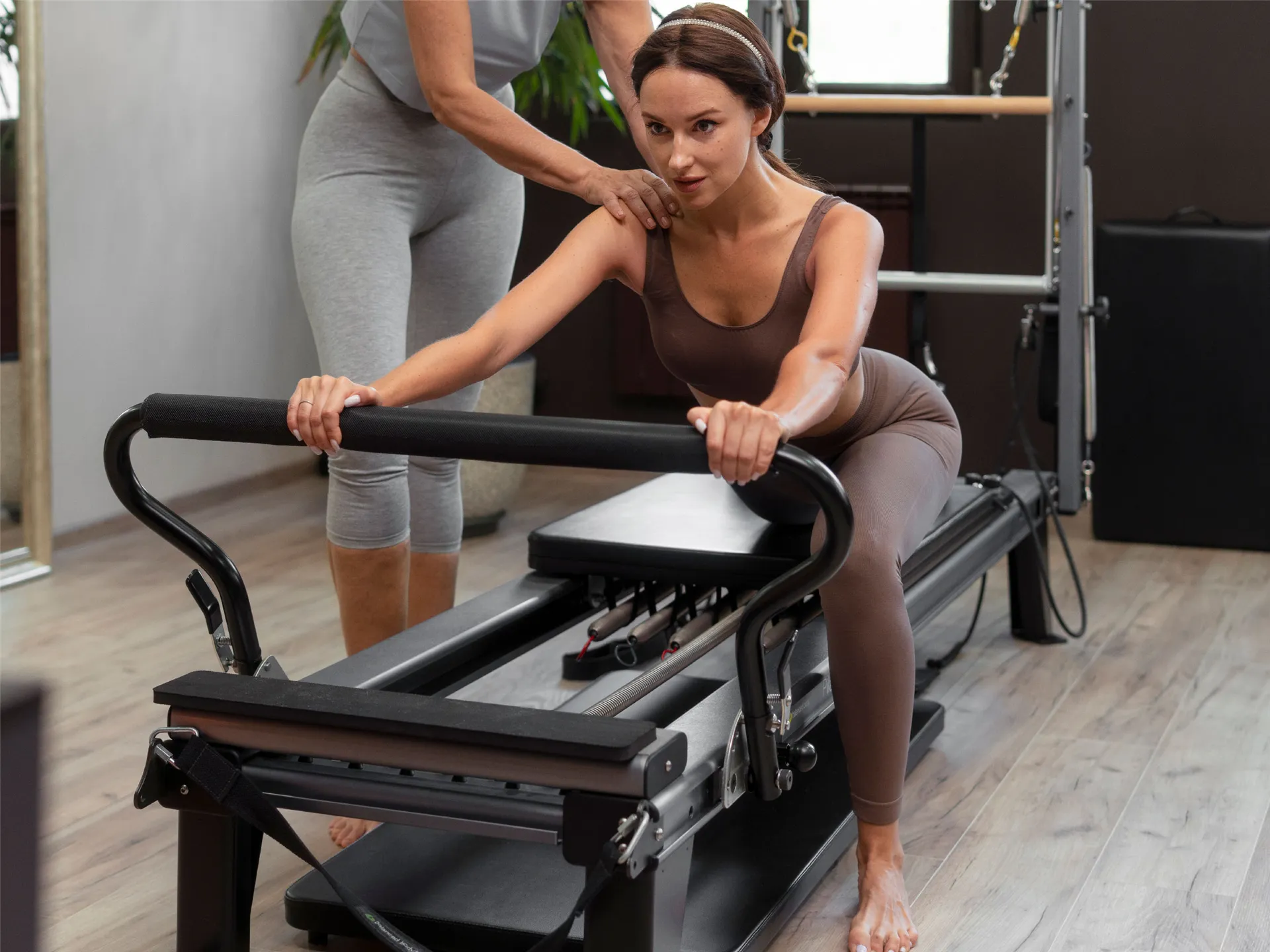
- Clinical Pilates-based stabilization
- Sport-specific movement training
- Injury prevention programs
Goals of Rehabilitation
- Reduce pain
- Support tissue healing
- Restore strength and flexibility
- Improve balance and coordination
- Reduce risk of re-injury
- Ensure safe return to sport