Manual Therapy




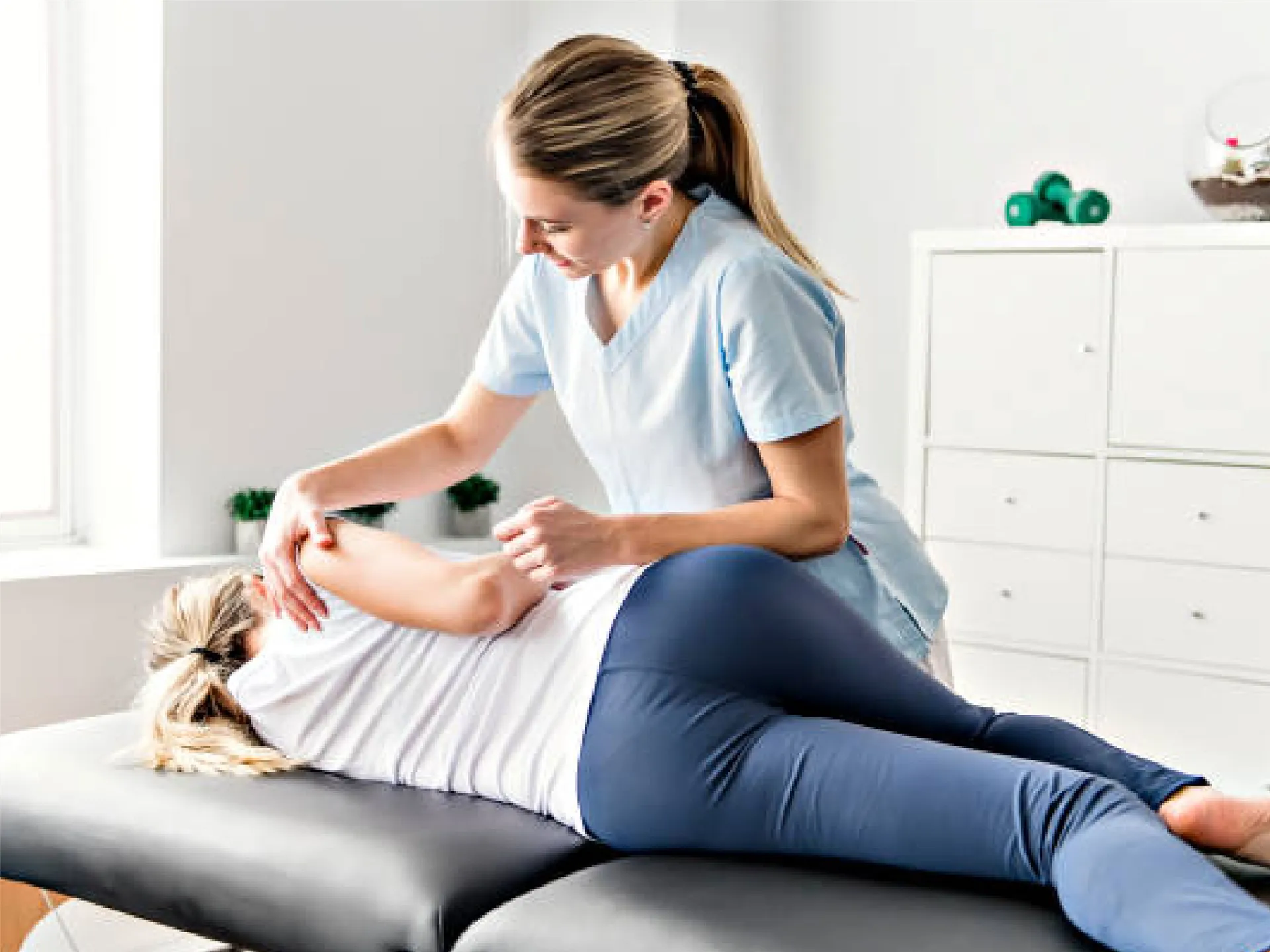
Manual Therapy
The intense pace of daily life, incorrect movement habits, prolonged inactivity, and heavy physical loads can cause pain and functional loss in muscles, joints, and spinal structures. In addition, the aging process is also an important factor in the development of musculoskeletal system problems. All these conditions increase the need for manual therapy.
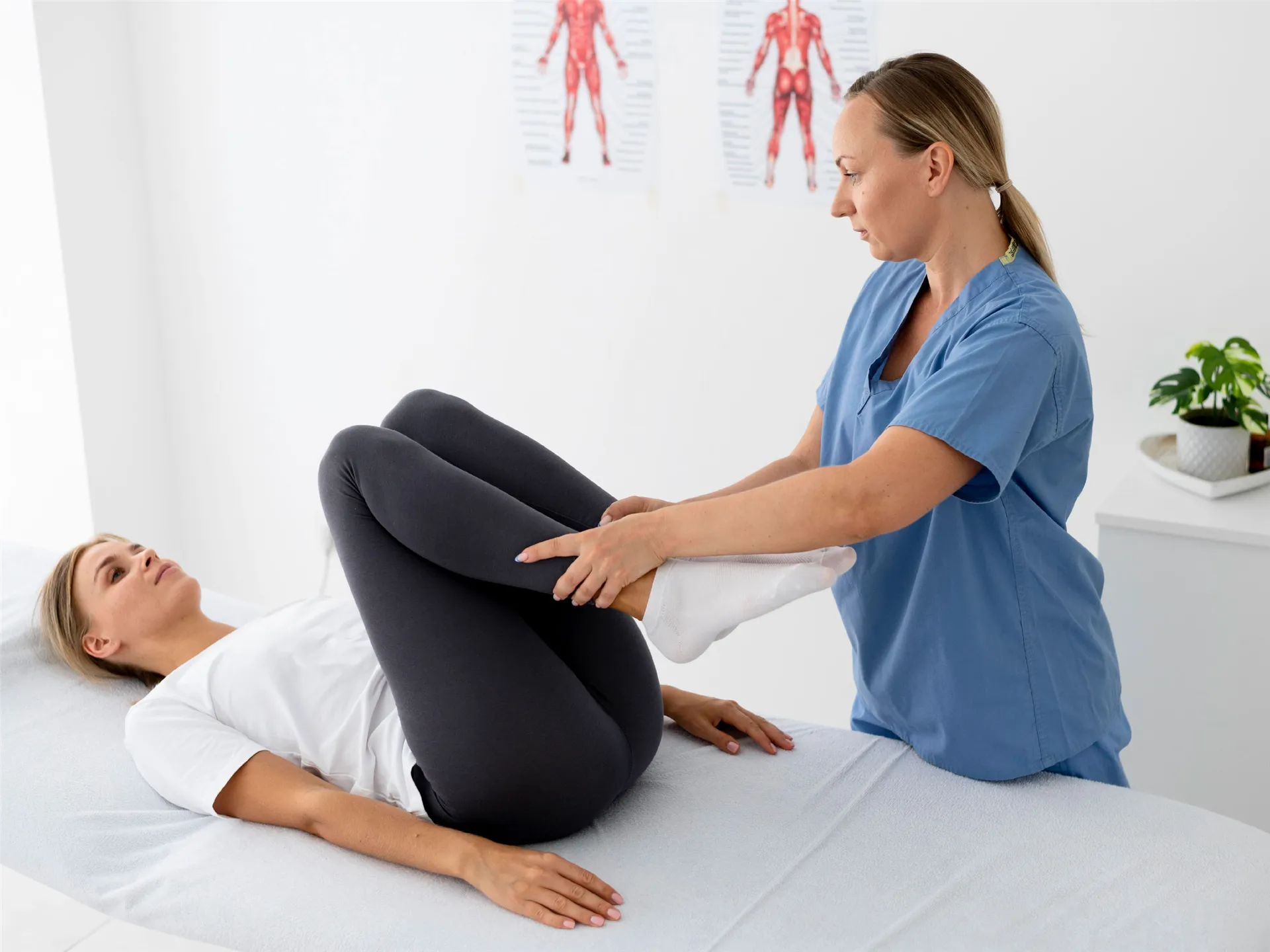
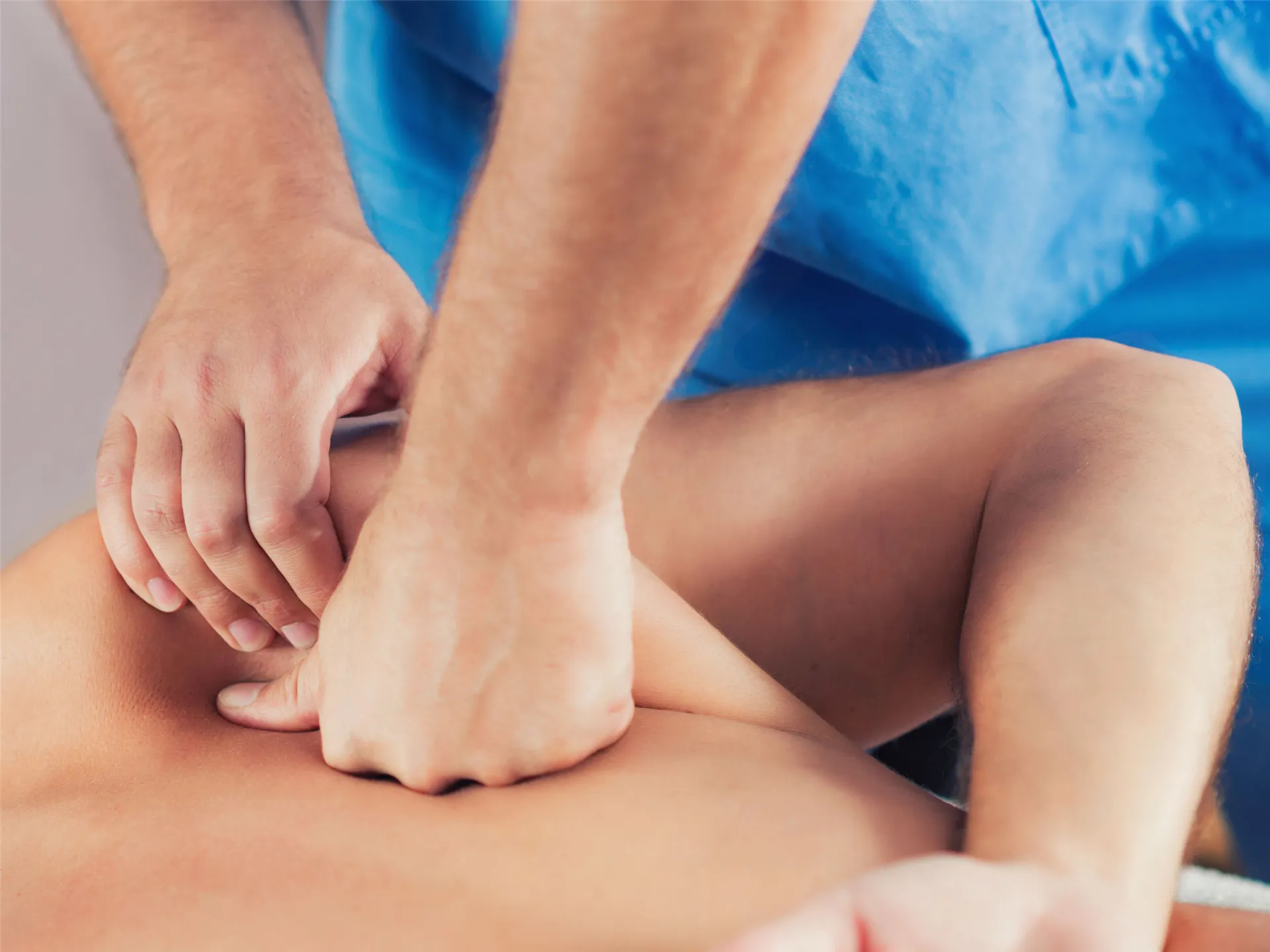
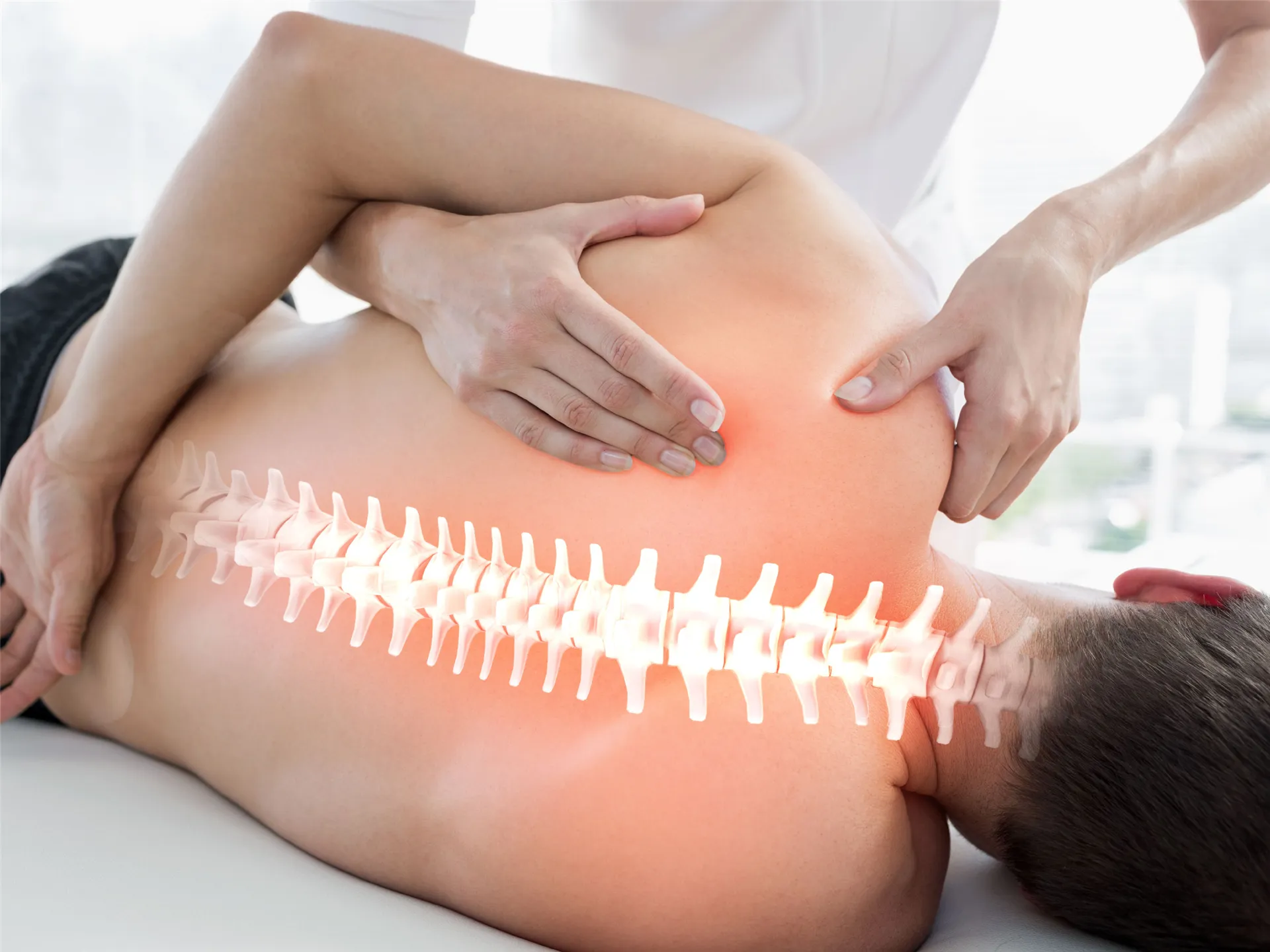
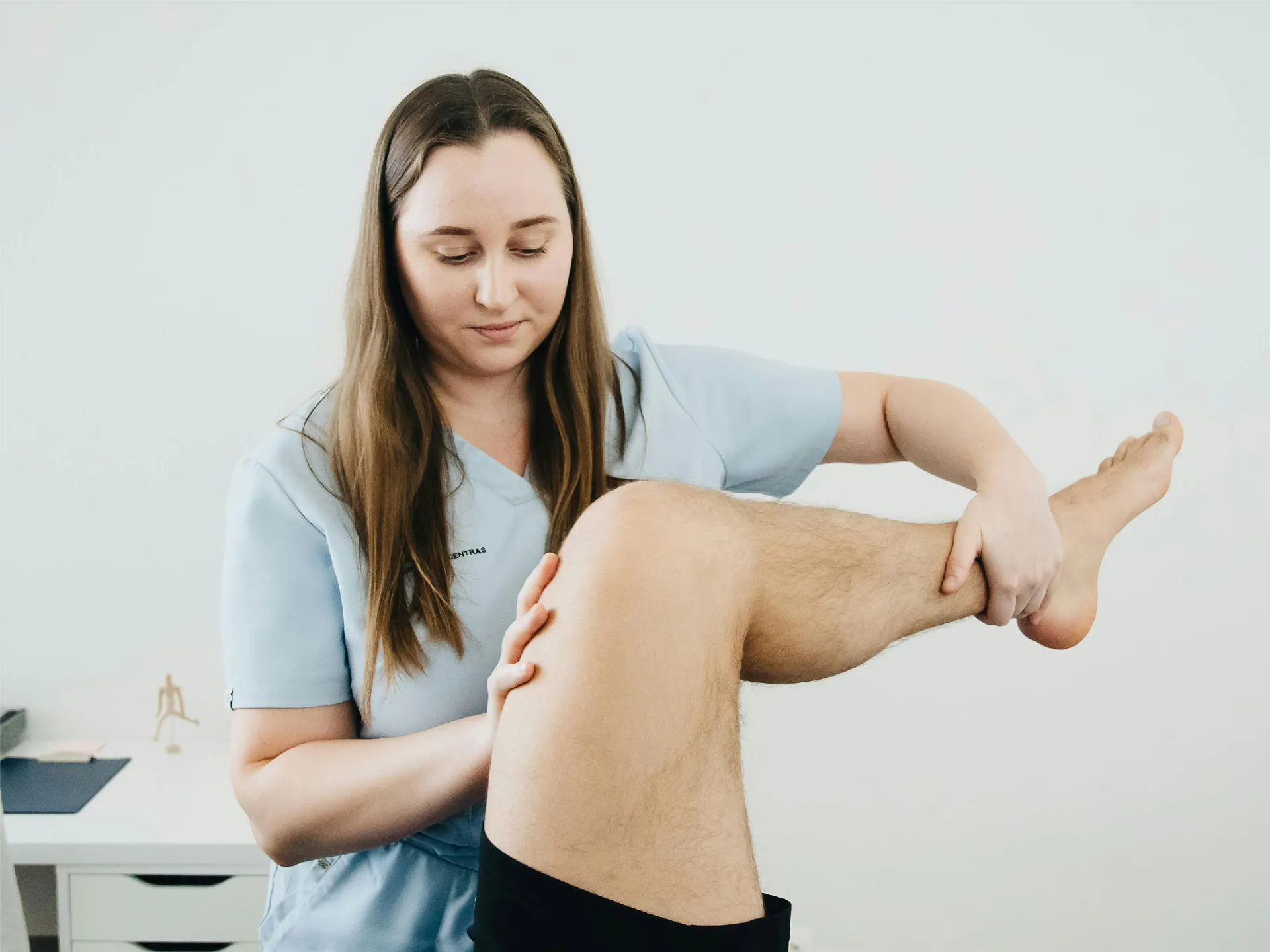
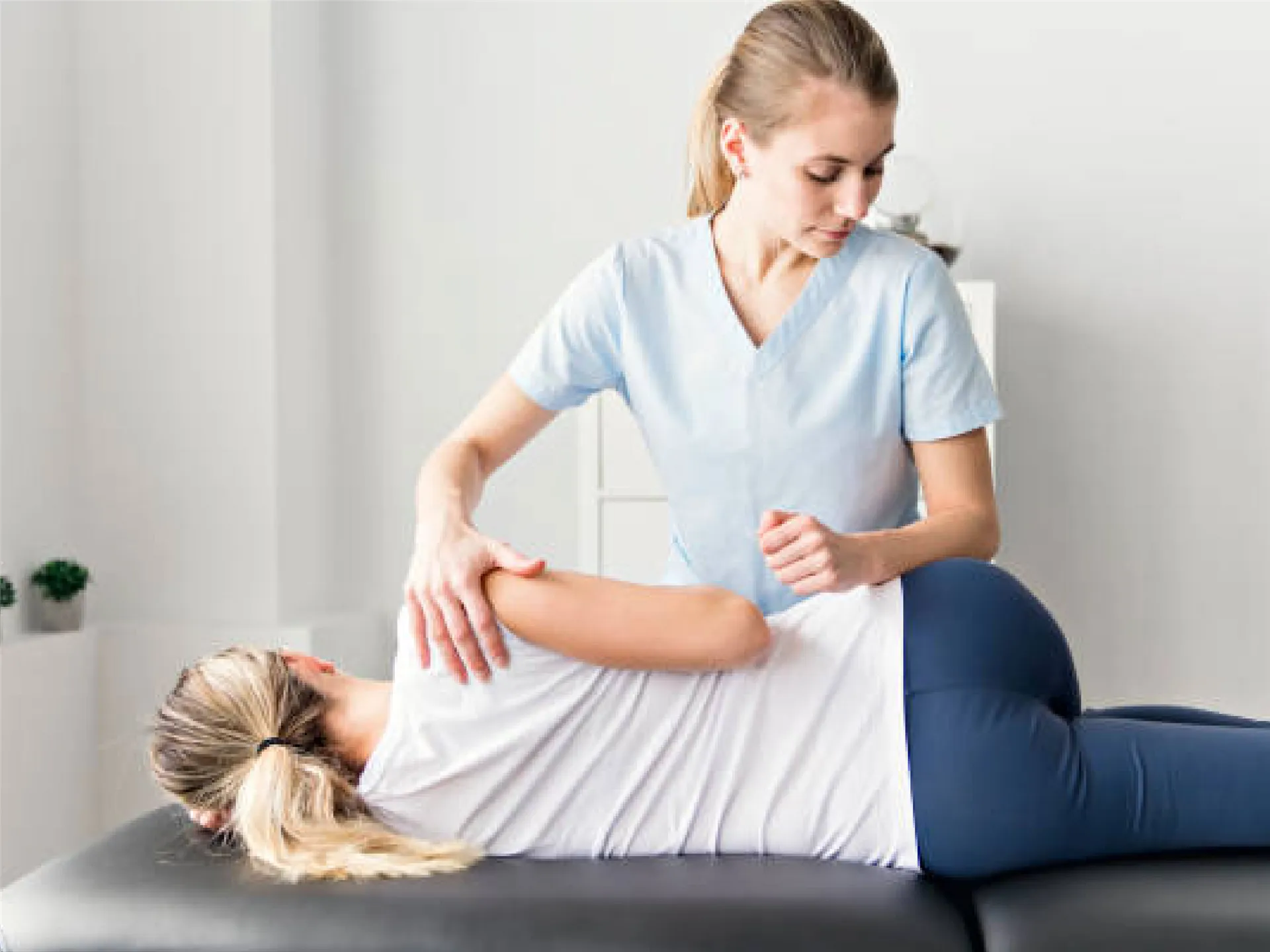
Manual therapy is a scientifically based, conservative treatment method applied in the field of physiotherapy and rehabilitation. It includes special assessment and treatment techniques performed manually by a specialist physiotherapist without the use of devices.
Goals of Manual Therapy
The main objectives of manual therapy are:
- Reducing pain
- Relieving muscle spasms
- Increasing joint range of motion
- Reducing tissue tension
- Restoring functional movement
- Improving quality of life
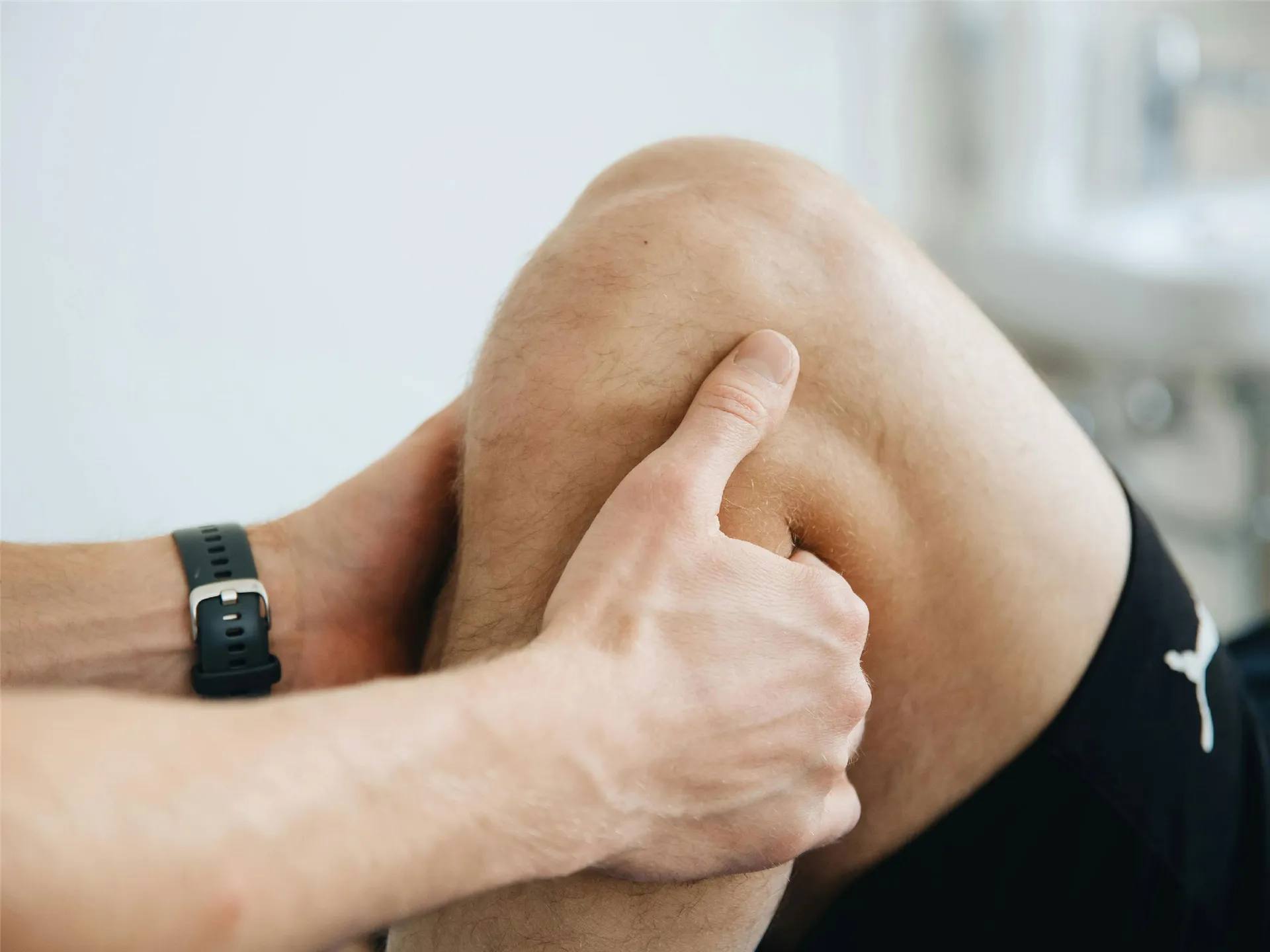
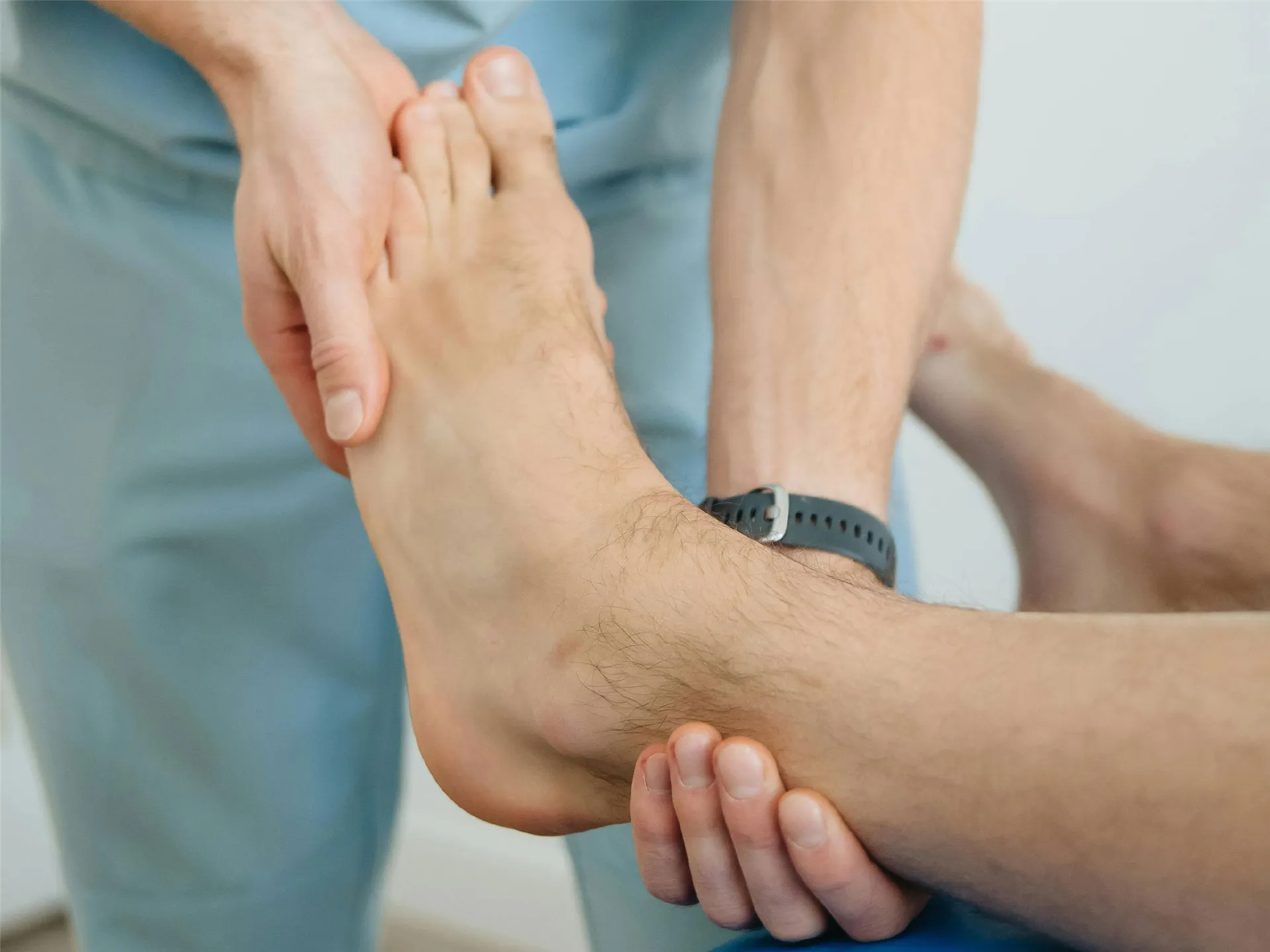
During treatment, special mobilization and manipulation techniques targeting muscles, joints, and connective tissues are used. Direct intervention is applied to the target tissues without the need for electrotherapy devices.
Manual therapy is an effective conservative treatment approach, especially for lower back and neck pain, joint restrictions, and chronic muscle spasms. With a properly performed individual assessment, many patients feel relief from the first sessions. As the process continues, pain decreases, mobility increases, and functional recovery is achieved.
Who Is Manual Therapy Suitable For?
Manual therapy is suitable for individuals experiencing musculoskeletal pain and movement limitations, especially:
- Individuals with lower back and neck pain
- Office workers
- People who work long hours standing
- Patients with post-sport injury pain
- Individuals with joint movement restrictions
- Those with muscle spasms and stiffness
- Individuals with postural disorders
- Patients undergoing postoperative rehabilitation
- Individuals with chronic musculoskeletal pain
Suitability is determined after an evaluation by a specialist physiotherapist.
When Is Manual Therapy Applied?
Manual therapy is an important part of treatment in many musculoskeletal conditions:
- Herniated disc and lower back pain
- Cervical disc herniation and neck stiffness
- Back pain
- Shoulder impingement and shoulder pain
- Knee and hip joint problems
- Osteoarthritis
- Muscle spasms
- Joint mobility restrictions
- Sports injuries
- Postural disorders
- Temporomandibular joint (TMJ) problems
Manual Therapy Session Process
The manual therapy process is individually planned for each patient.
➡Detailed Assessment
In the first session:
- The source of pain is identified
- Joint range of motion is measured
- Muscle strength and flexibility are assessed
- Posture and movement analysis is performed
➡ Treatment Application
Based on the evaluation:
- Joint mobilization techniques
- Soft tissue release techniques
- Manual techniques to reduce muscle spasms
- Fascia and connective tissue work
➡Individual Exercise Program
Sessions are usually supported with:
- Clinical exercises
- Home exercise programs
to ensure long-term recovery.
Benefits of Manual Therapy
- Reduces pain
- Increases range of motion
- Relieves muscle tension
- Improves joint function
- Enhances posture
- Facilitates daily activities
- Supports the natural healing process