Prenatal Pilates

Prenatal Pilates
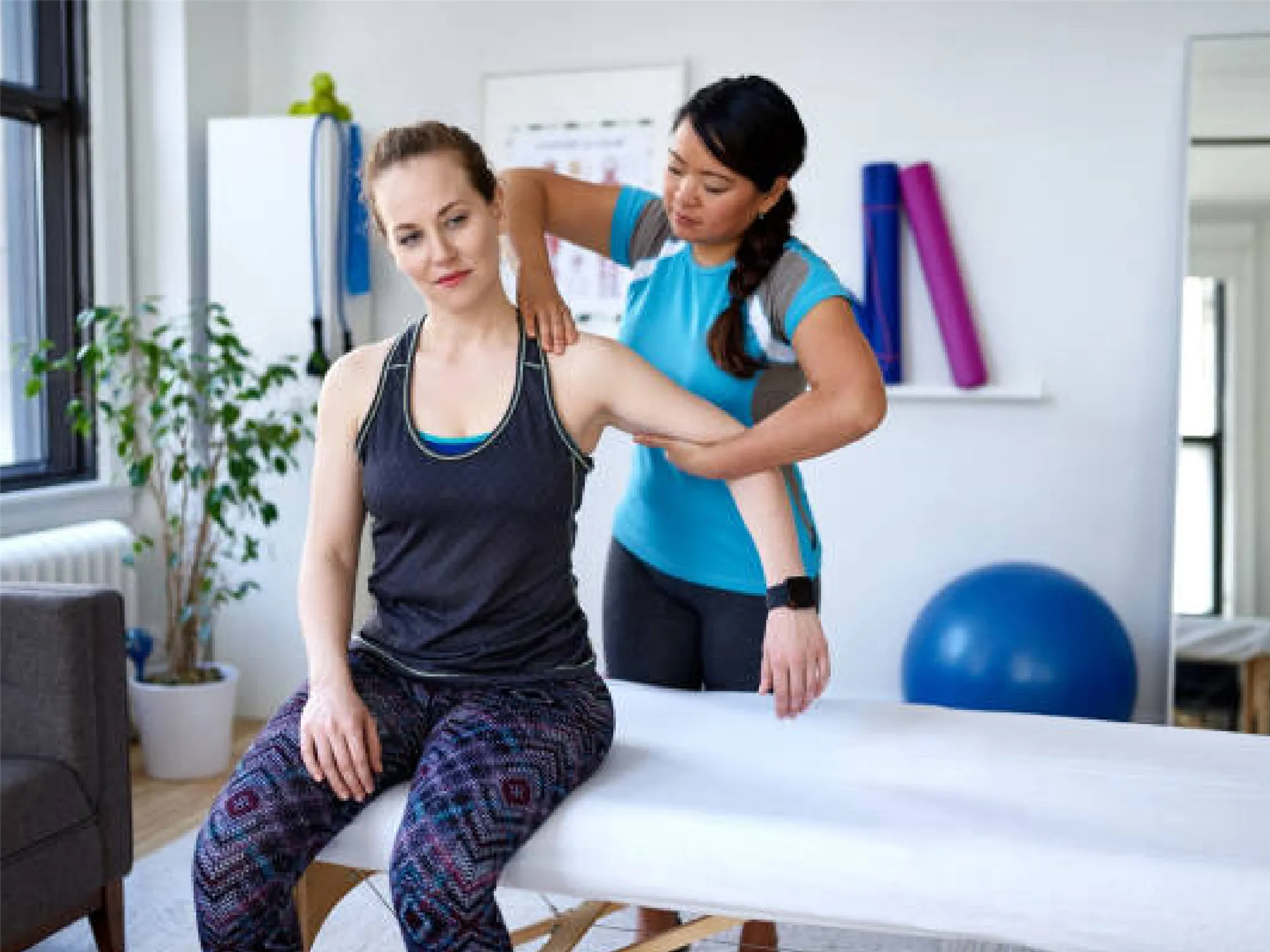
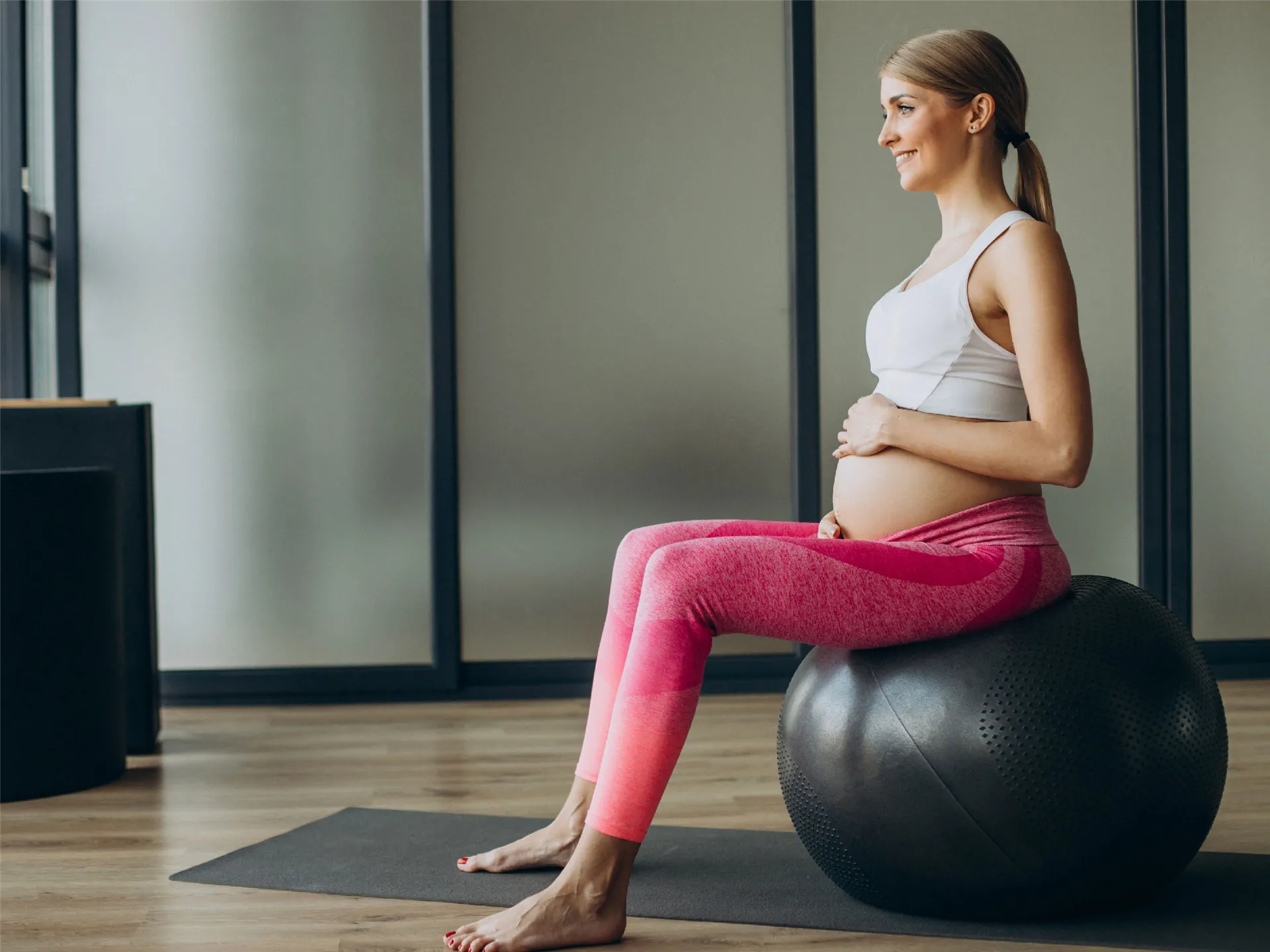
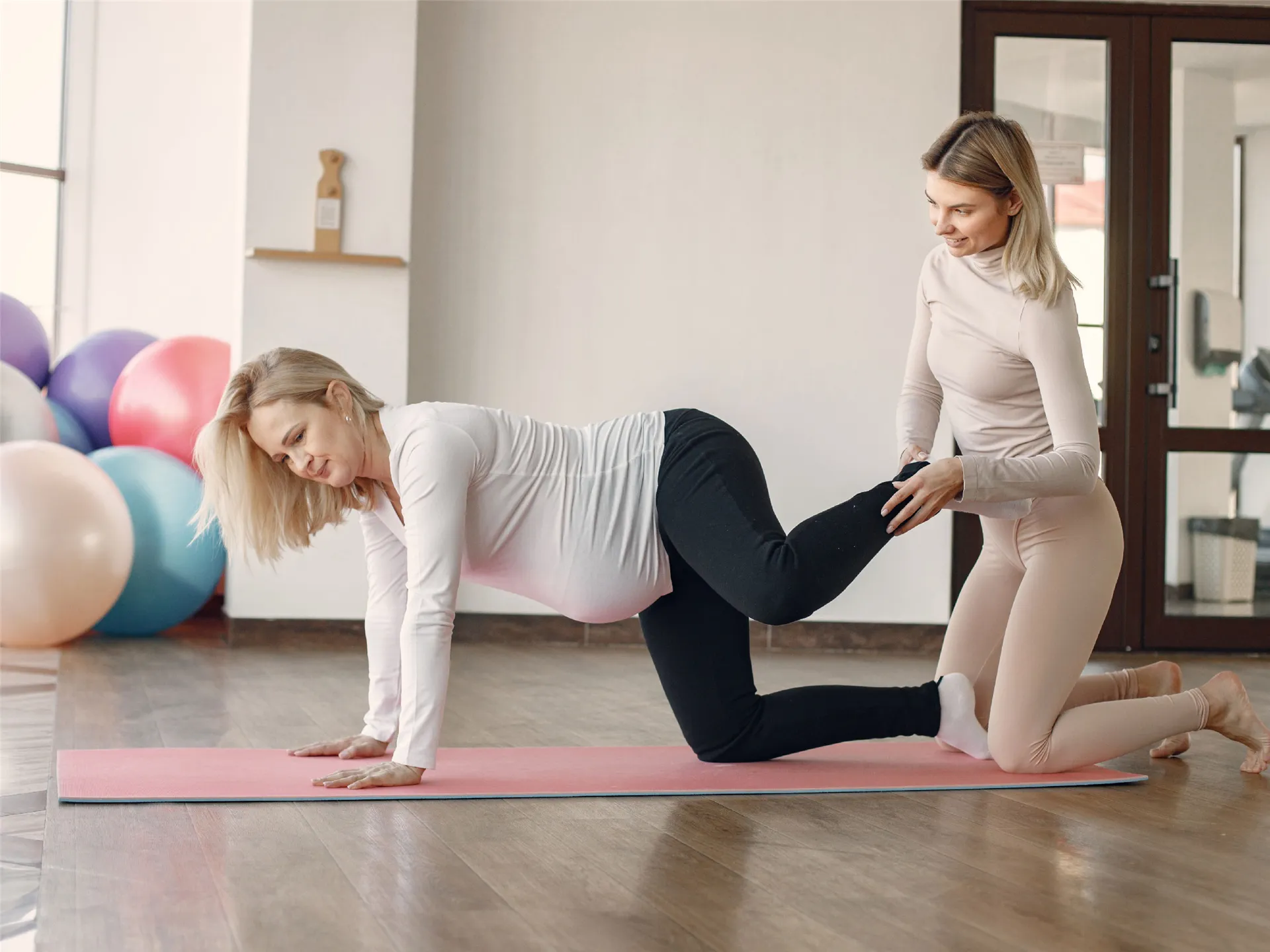
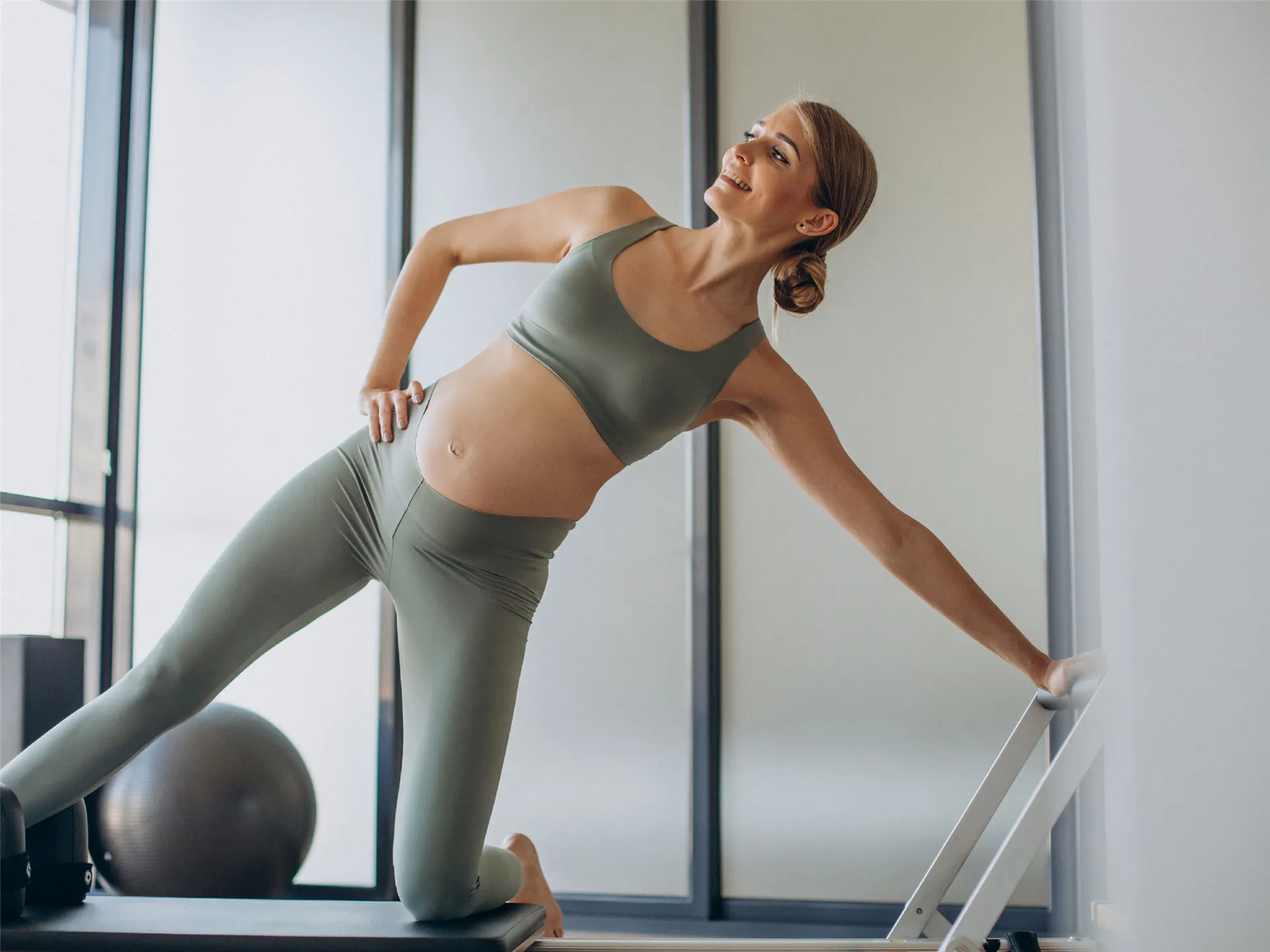
Prenatal Pilates is a specialized exercise method designed to improve physical comfort during pregnancy, support body balance, and strengthen preparation for childbirth. Exercises are planned safely and appropriately for pregnancy under the supervision of a physiotherapist.
Benefits of Prenatal Pilates
- Helps reduce lower back and back pain
- Supports posture and body balance
- Strengthens pelvic floor muscles
- Improves breathing control
- Supports circulation and helps reduce swelling
- Maintains core stability
- Supports birth preparation
- Facilitates postpartum recovery
Session Content
Prenatal Pilates sessions include:
- Pregnancy-appropriate flexibility exercises
- Posture and balance training
- Pelvic floor exercises
- Controlled strengthening exercises
- Breathing and relaxation techniques
- Birth preparation movements
All exercises are performed in safe positions and at a controlled pace.
When Can It Be Started?
Prenatal Pilates is generally recommended after medical approval, most commonly starting from the 12th week of pregnancy. For individuals with prior exercise experience, the starting time is determined after physiotherapist evaluation.
Who Can Participate?
- Expectant mothers with a healthy pregnancy
- Pregnant women experiencing back and lower back pain
- Those who want a more comfortable pregnancy
- Those preparing physically for childbirth
In high-risk pregnancies, medical approval is mandatory.
Prenatal Pilates by Trimester
1st Trimester (0–12 weeks)
The focus during this period is safety and adaptation:
- Light-intensity exercises
- Emphasis on breathing and relaxation
- Circulation-supporting movements
- Avoidance of high-intensity exercises
- Low tempo for beginners
2nd Trimester (13–27 weeks)
Generally the most comfortable period for exercise:
- Increased focus on balance and posture
- Core and back strengthening exercises
- Addition of pelvic floor strengthening
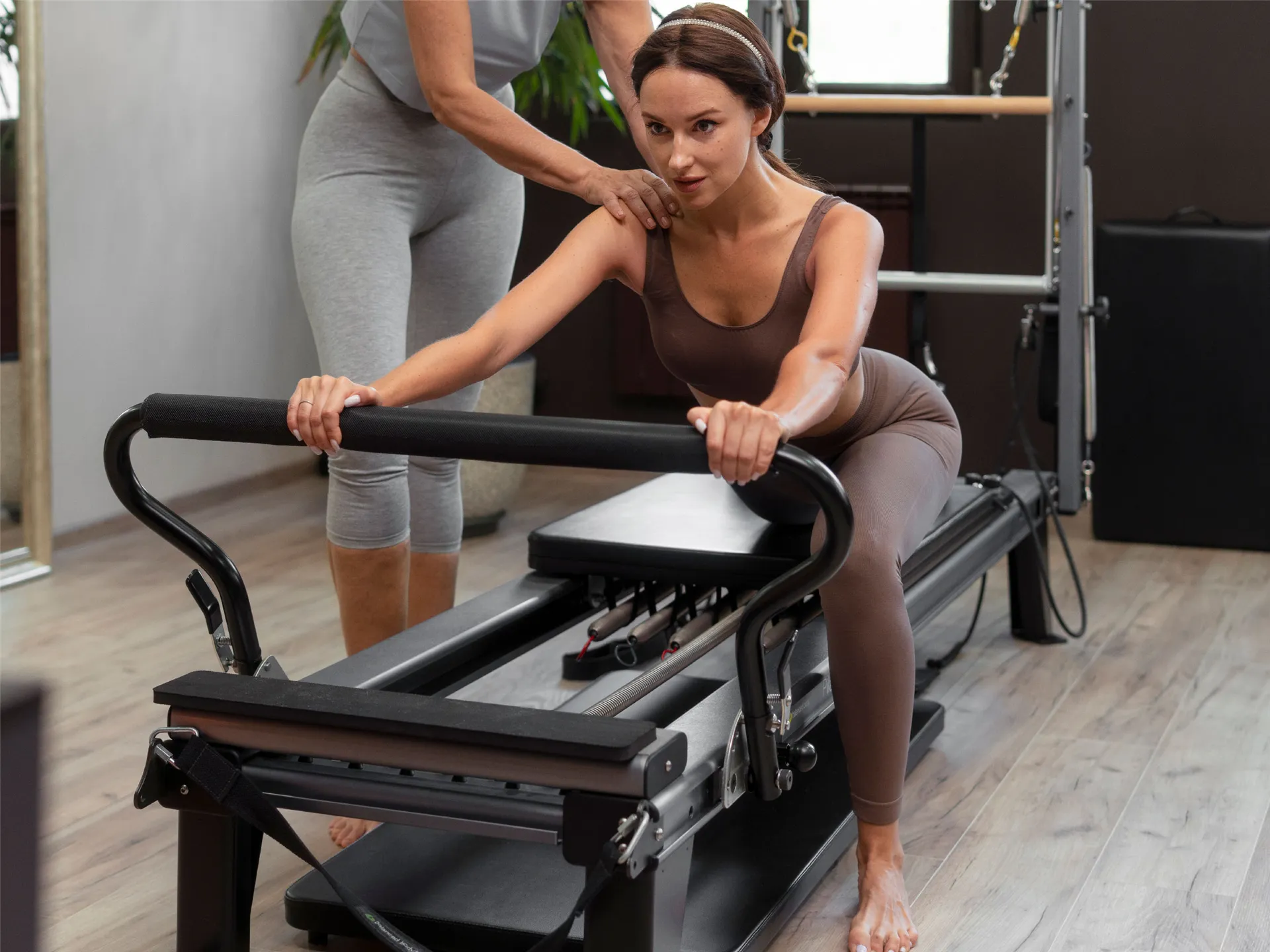
- Controlled strengthening with reformer and equipment
- Functional exercises supporting daily life
3rd Trimester (28 weeks and beyond)
The goal is comfort and birth preparation:
- Lower back and spinal relief exercises
- Pelvic mobility and flexibility work
- Breathing techniques for labor
- Relaxation and circulation-supporting movements
- Low-intensity exercises in safe positions
General Effects of Prenatal Pilates
- Reduces lower back and back pain
- Improves posture and balance
- Strengthens pelvic floor muscles
- Improves breathing control
- Helps reduce swelling and muscle tension
- Supports childbirth and postpartum recovery process