Graded Motor Imagery Therapy
Graded Motor Imagery Therapy
Graded Motor Imagery Training
This specialized rehabilitation approach, developed for pain and movement disorders related to the nervous system, aims to reorganize the brain’s perception of movement. It is particularly effective in chronic pain syndromes as well as neurological and orthopedic movement disorders.
Graded Motor Imagery is a scientifically based training process designed to reduce pain and improve functional capacity. It focuses on progressively restoring the cortical neuronal activation patterns required for normal movement. The process is a rehabilitation program aimed at reducing pain and improving functional movement by retraining the brain to relearn movement.
Application Stages
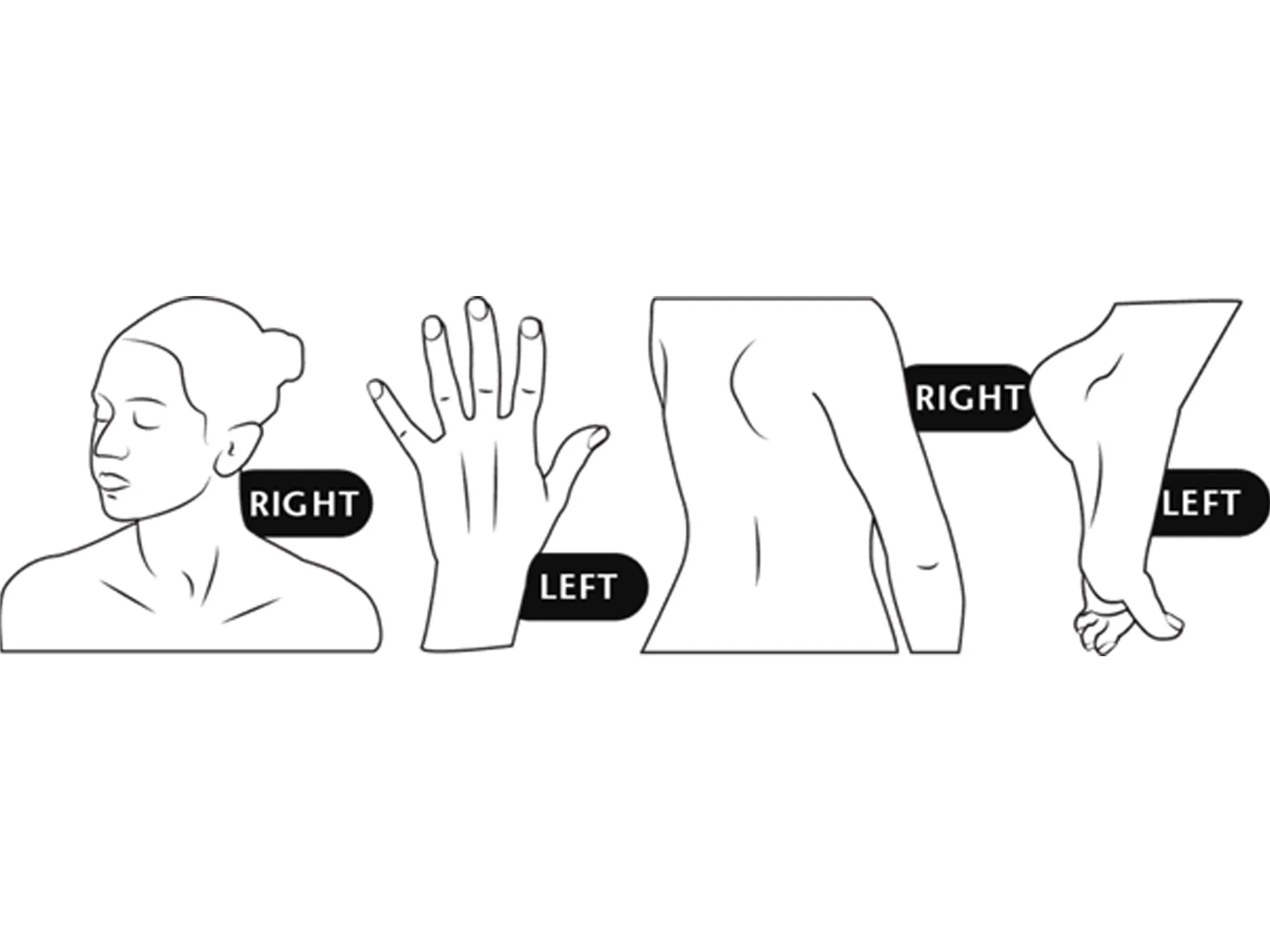
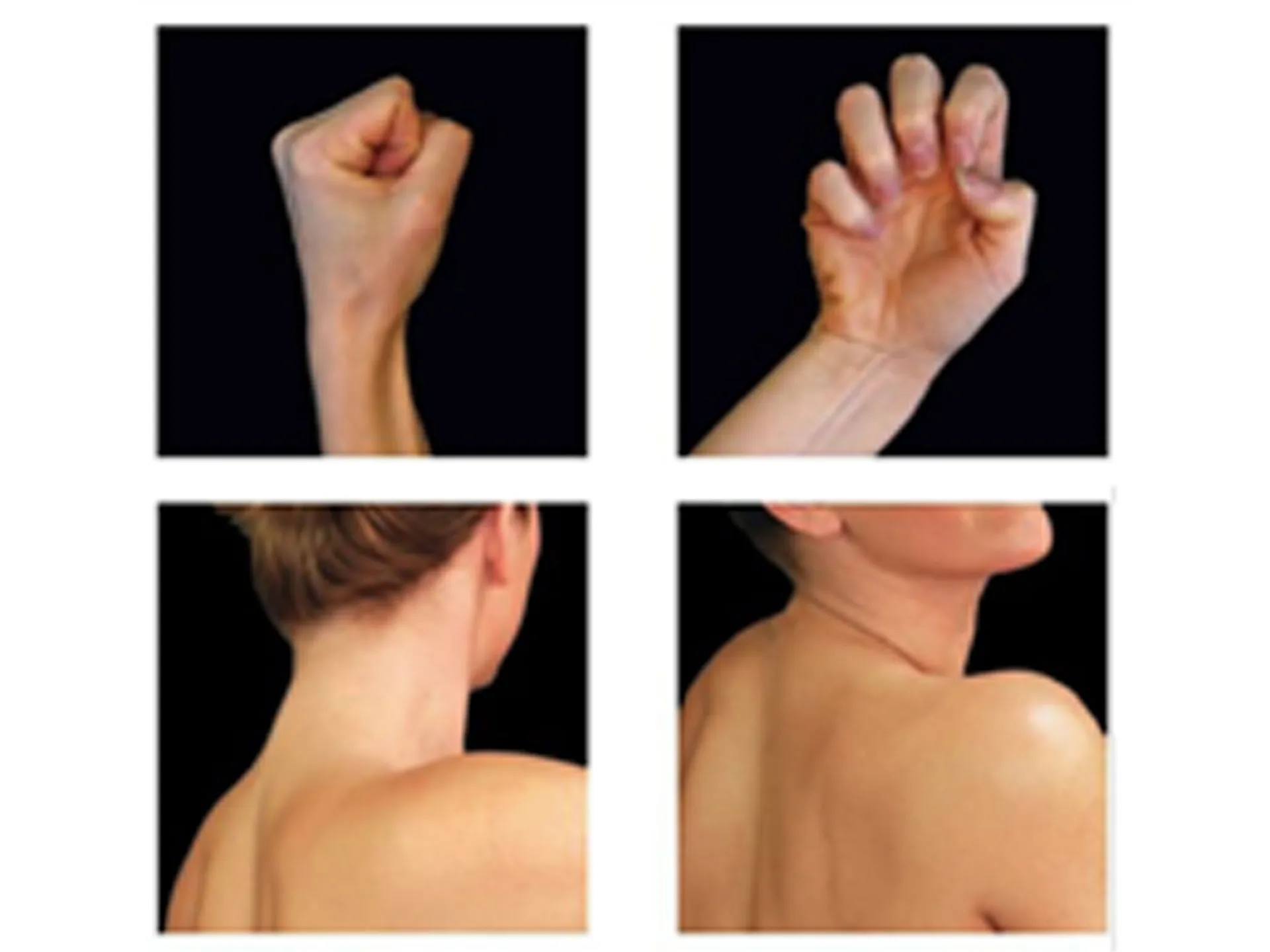
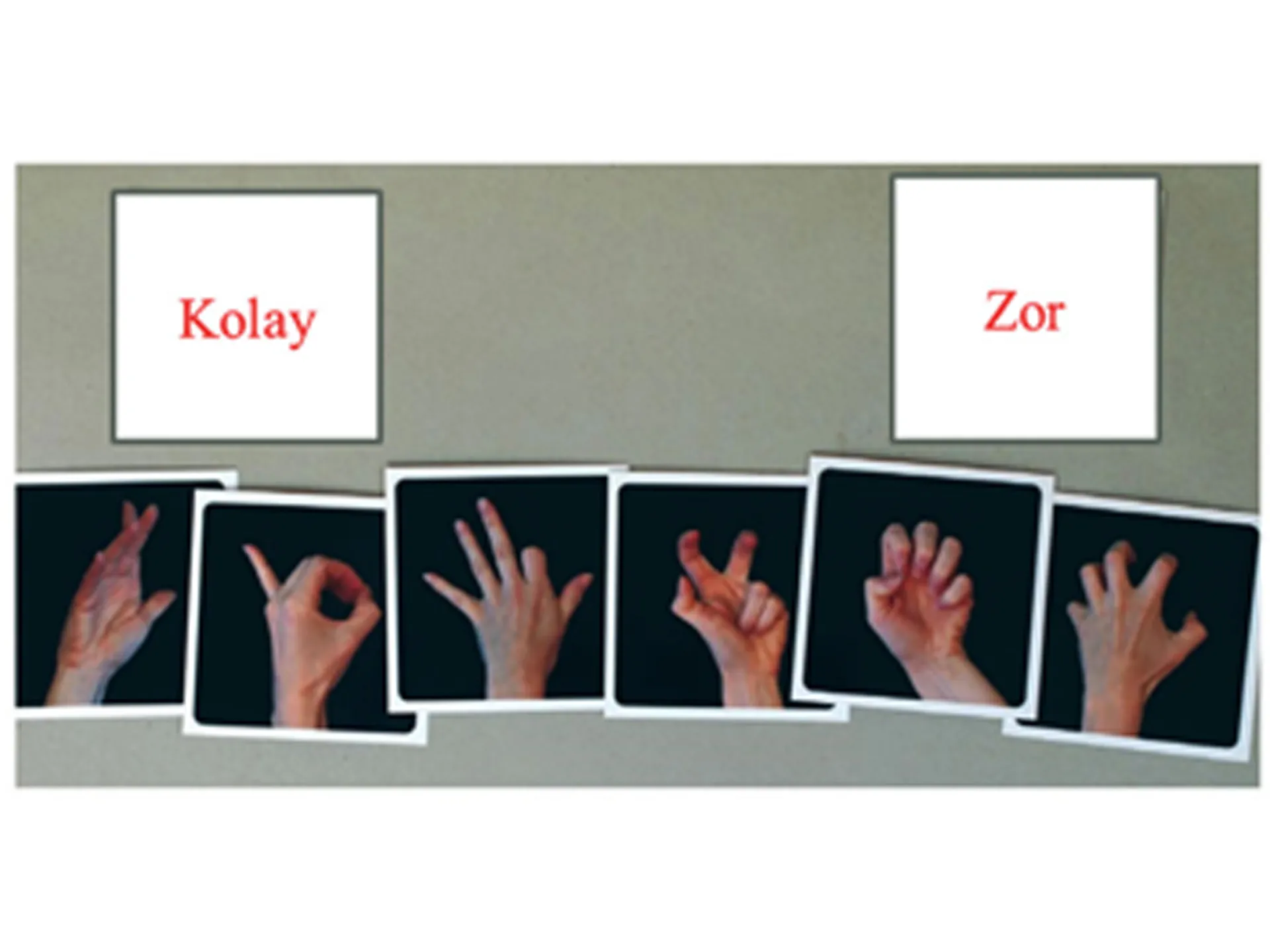
1. Left–Right Discrimination Training
In this stage, images of the affected body part are shown to the individual. The goal is to quickly and accurately identify whether the limb is on the right or left side.
This helps to:
• Reorganize body perception
• Support the brain’s motor preparation processes
2. Motor Imagery
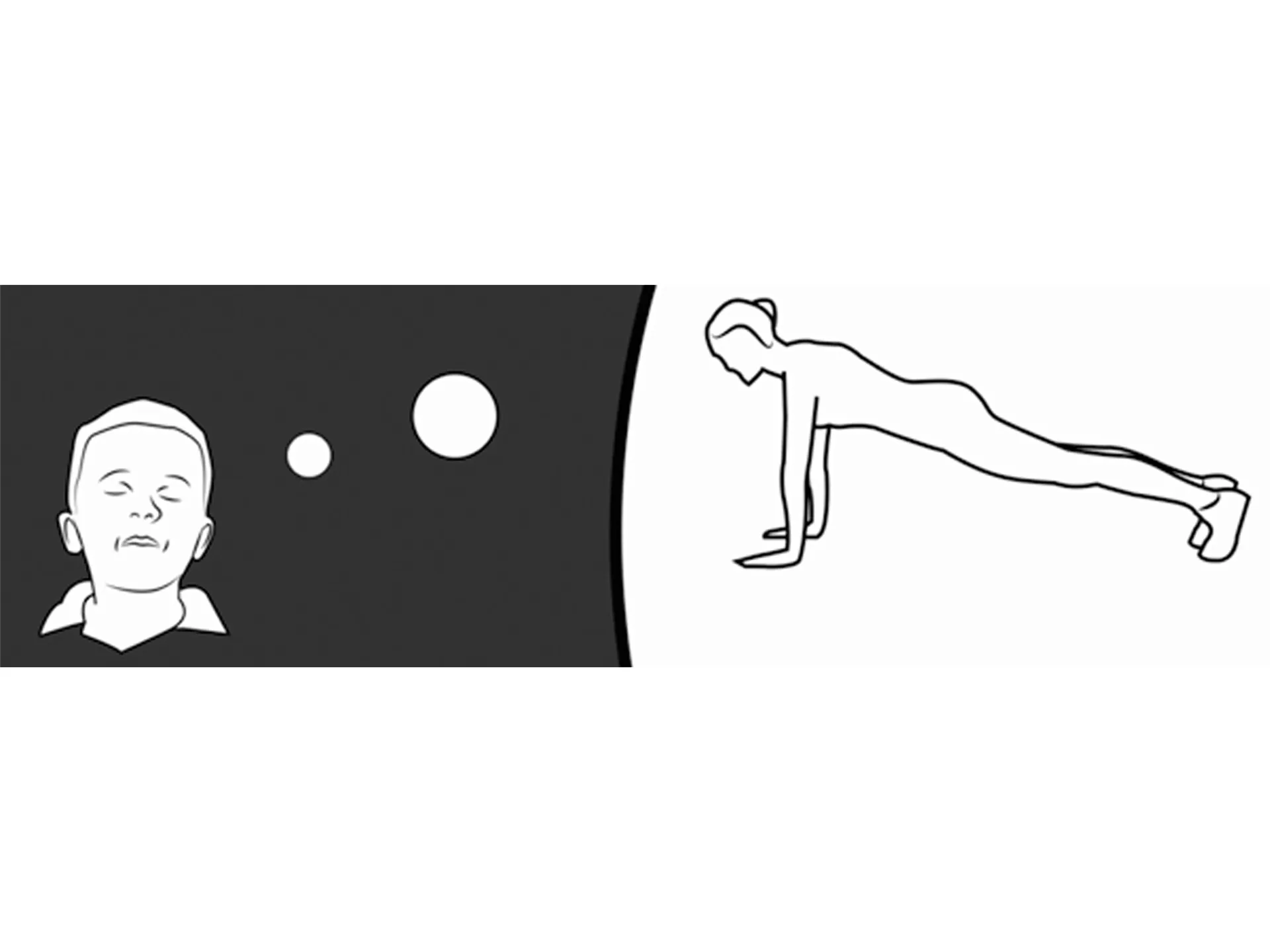
In this stage, the individual is asked to mentally visualize the movements they see.
Without performing actual movement, relevant brain regions are activated.
Effects:
• Develops pain-free movement perception
• Strengthens the brain–movement connection
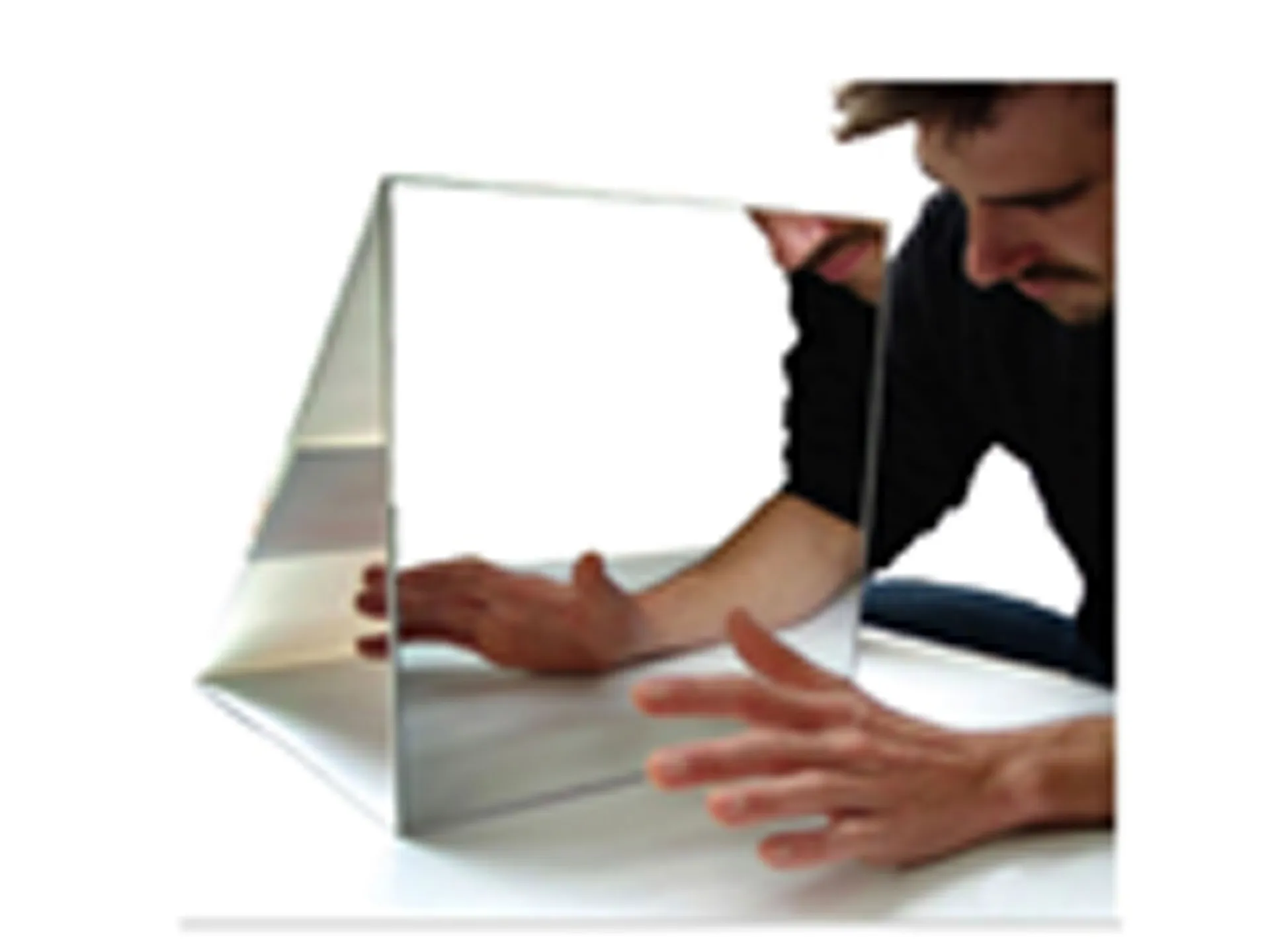
3. Mirror Therapy
In the final stage, a mirror is used to create a visual illusion of movement through the unaffected limb, helping the brain perceive correct movement patterns.
This method supports the relearning of pain-free movement patterns.
Expected Outcomes
• Reduction of pain
• Improvement in movement quality
• Enhancement of functional independence
How It Progresses
• Left–right discrimination exercises (Image 1)
• Motor imagery exercises (Image 2)
• Mirror therapy applications (Video 3)
This process contributes to pain reduction and improved movement quality.